A post-purchase experience platform manages everything that happens after checkout: order tracking, delivery updates, returns, and the follow-ups that bring customers back. Brands that skip this step often win the first sale and lose the second.
Customers are getting pickier about what happens after they hit “buy now,” and the experience between checkout and delivery shapes whether they come back.
This guide covers why the post-purchase phase matters for retention, what these platforms do, and the seven best post-purchase experience platforms for Shopify brands.
Why the Post-Purchase Phase is Important for Customer Retention
The post-purchase process you provide will influence your customer’s decision to stay and buy from you again or find a better place to shop. It affects your customer retention rate, which ties directly to your customer acquisition cost (CAC).
With enough repeat buyers, you spend less on ads and other paid channels to replace lost customers. That only works when customer satisfaction stays high.
Zendesk research found that 75% of buyers are willing to spend more with a brand if they have a good customer experience. The after-checkout experience is where you earn that spend.
A platform built for post-purchase makes that much easier to manage.
What is Post-Purchase Experience Software?
Post-purchase experience (PPE) software manages the after-checkout workflow for ecommerce brands.
It connects your ecommerce store to various carrier systems through a tracking API. You can monitor and oversee shipping, delivery, and the returns process. It also sends email or SMS updates to your customers and team on each order’s status.
Besides making the after-sales process easier to handle, most PPE software also uses shopping behavior data to increase customer lifetime value. It shows up as product suggestions and personalized follow-up messages that boost post-purchase engagement.
The Three Key Parts of a Smooth Post-Purchase Experience
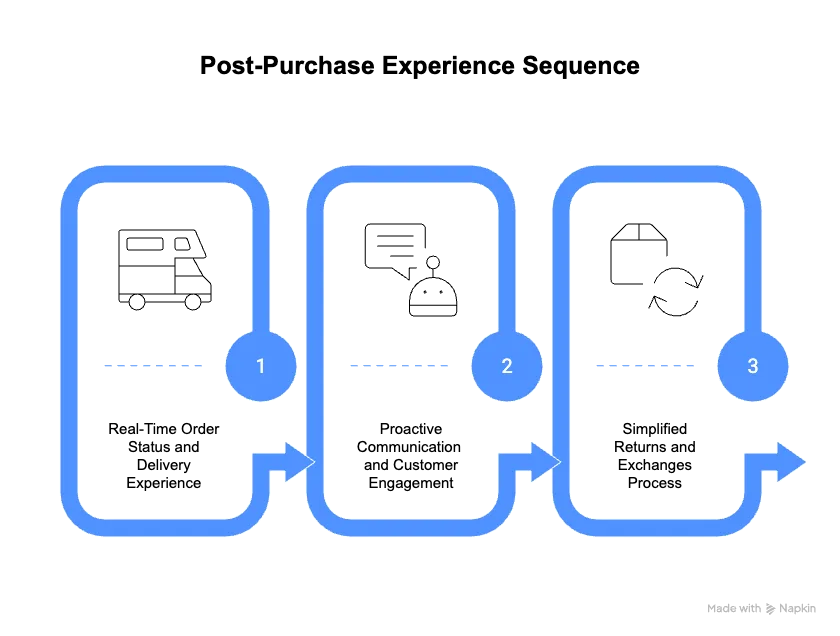
1. Real-Time Order Status and Delivery Experience
To build customer confidence after checkout, offer transparent and proactive shipping notifications. DispatchTrack found that 90% of customers want to track their orders. If you don’t provide it, more than 60% would consider switching to another store.
Real-time tracking depends on a post-purchase platform that connects to hundreds or thousands of shipping carriers. Broad carrier coverage helps you catch delays early, control costs, and keep the experience consistent.
The most useful feature here is branded tracking pages. They let you create a customized page that your buyers can visit anytime to see where their orders are. They also cut down on WISMO (“where is my order?”) tickets, which frees up your support team.
2. Proactive Communication and Customer Engagement
Automated, well-timed messages keep customers in the loop. They work alongside your tracking page, and you should set them up for each stage of the post-purchase journey, by email and SMS:
- Shipping and in-transit updates
- Delivery notices
- Thank-you messages and follow-ups
Their main job is managing customer expectations. Nobody controls every part of delivery, and issues like customs holds, bad weather, and carrier delays will happen.
With automated messages, you can alert customers as soon as the estimated delivery date changes, often before they notice the delay.
3. Simplifying the Returns Process and Exchanges
Your returns and exchanges process often decides whether an unhappy customer gives your brand a second chance or leaves for good.
Invesp found that 92% of consumers would buy from a store again if the return process is easy. Your returns flow needs to be as smooth as your tracking and communication.
Easy, self-serve returns improve customer satisfaction, and a good PPE platform makes them easy to set up. The right platform also protects revenue by steering customers toward exchanges and store credit, so a return doesn’t always mean a lost sale.
Revenue-Building Features of Post-Purchase Platforms
Beyond the basics above, look for these revenue-building features in a post-purchase experience platform:
1. Personalized Product Recommendations and Cross-Selling
Post-purchase platforms analyze your customers’ buying patterns to help you display better product suggestions. They track purchase history (like what they bought, when they purchased from you, and how often they reorder).
Timing and relevance make these recommendations work. The platform suggests items that fit what customers already bought, or flags when they’re likely due for a refill based on product usage cycles.
For example, say a customer bought a yoga mat from your fitness store. The platform can automatically suggest yoga blocks, straps, or workout clothes in future emails.
Connecting purchases this way creates natural reasons to buy again without a hard sell.
2. Automated Customer Feedback Collection and Surveys
Automated feedback collection gives you insight straight from customers.
Some PPE platforms have built-in review request features or connect with a reviews app like CWILL Product Reviews, so you can send feedback requests by email or SMS a few days after delivery.
You can set up questions about shipping speed, packaging condition, and whether the product met expectations. The platform sends these surveys automatically, so you don’t have to follow up with each buyer by hand.
Use the data to improve your products and processes, which raises your repeat purchase rate and builds loyalty.
For example, if several customers flag slow shipping from one carrier, you can switch to a faster one.
Customers notice when their feedback leads to real changes.
3. Integrating Loyalty Programs and Rewards
A loyalty program is one of the most effective ways to keep customers buying. Post-purchase platforms can connect your store to loyalty tools like CWILL Loyalty & Referrals, so everything happens automatically after someone makes a purchase.
This drives repeat sales because the reward lands the moment a customer completes an order.
Your customers see their rewards balance update instantly, which gives them a reason to shop again. No waiting or extra steps to claim points means less friction, a common reason loyalty programs fail.
Top 7 Post-Purchase Experience Platforms
We reviewed more than 20 post-purchase platforms and picked the seven best. Here’s an overview, followed by a detailed look at each:
Post-Purchase Experience Platforms Overview
| Name | Key Features | Ratings from G2/Shopify (Approx) | Starting Price |
| CWILL Post-Purchase | Branded Order Tracking PageSmart Returns & ExchangesShipping & Return ProtectionAnalytics Dashboard | 4.9/5 | $11/month |
| Narvar | Predictive TrackingBranded Status PagesReturn Workflows with Custom LogicMulti-Channel NotificationsDelivery Protection for Issue | 4.2/5 | Custom pricing |
| parcelLab | Delivery EstimatesPersonalized Tracking PagesSmart Returns LogicPost-Purchase Analytics Dashboard | 4.6/5 | €2,400/month |
| Loop | Instant ExchangeDelivery UpdatesReturns PortalAutomation RulesDelivery Protection | 4.7/5 | $155/month (returns platform) and $99/month (order tracking) |
| Corso | Checkout Add-On Tracking and Claims Branded PortalWarranty Registration ToolsCarbon Offset OptionAutomated Return Routing | 4.3/5 | Usage-based pricing |
| Parcel Perform | Estimated Delivery PredictionsDelivery AlertsReturns, Warranty, and Exchange Self-ServiceCarrier Matching | 4.7/5 | Custom pricing |
| Redo | Returns and Claims PortalFulfillment AutomationAI Support ToolsCheckout and Tracking Pages | 4.8/5 | Freemium |
#1 CWILL Post-Purchase

CWILL Post-Purchase is a post-purchase experience platform for Shopify DTC brands. It brings together CWILL Order Tracking, CWILL Returns & Exchanges, and CWILL Shipping Protection, which are built to work together to improve the customer experience after checkout.
CWILL Order Tracking gives customers a branded tracking page with real-time shipping updates and personalized product recommendations.
For returns, there’s a self-serve portal that lets buyers request exchanges or store credit on their own (you can auto-approve eligible items). Shipping and return protection cover the cost when an order is lost, damaged, or sent back.
Carriers: 1,519
Key Features
- Branded Order Tracking Page: Offer real-time tracking updates through a customizable portal that reflects your brand.
- Smart Returns and Exchanges: Automate returns with flexible exchange options, store credit, and optional return protection.
- Shipping Protection: Let shoppers add package protection for loss, delay, or damage at checkout.
- Analytics Dashboard: Monitor delivery performance and track refund trends to improve your post-purchase customer experience.
- Email Automation: Notify customers during key order and return events to keep your inbox clear of “where’s my order” messages.
Pros
- Supports 1,500+ shipping carriers.
- Branded real-time tracking that drives upsell revenue.
- Self-serve returns with discounted labels and QR codes.
- Flexible return options for global customers, with lower return shipping costs.
- Carbon-neutral shipping available.
Cons
- No native SMS notifications.
- Only works with Shopify.
Best for: Shopify DTC brands with around 20–1,000+ orders a month.
Integrated with: Shopify, WooCommerce, Klaviyo, Gorgias, Yotpo, Judge.me, Loox, PageFly
Pricing: CWILL Post-Purchase uses credit-based pricing per product. CWILL Order Tracking has a free plan (up to 20 orders), with paid plans from $11/month. CWILL Returns & Exchanges has a free plan (six returns), with paid plans from $29/month. Each app offers a free trial on paid plans.
#2 Narvar
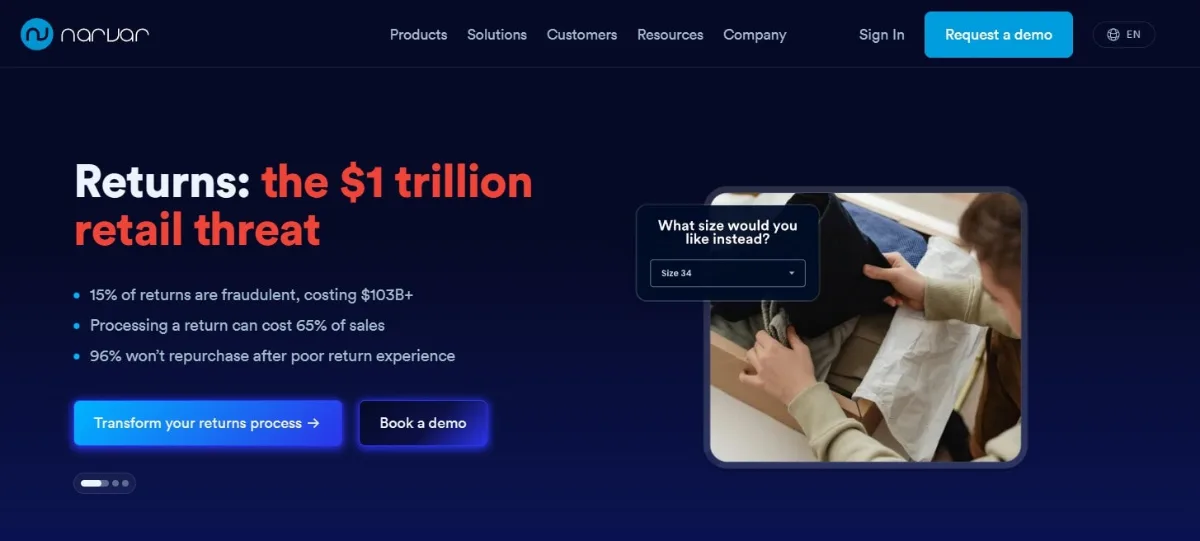
Narvar is post-purchase software built for enterprise retailers that want more control across delivery, tracking, notifications, returns, and package protection.
It uses predictive data to estimate arrival dates, flag risky claims, and personalize the post-purchase customer experience from checkout to doorstep. It’s designed to reduce support volume while helping your team act faster when issues come up.
Carriers: 1,000+
Key Features
- Predictive tracking with personalized delivery dates
- Branded status pages for real-time tracking and upsells
- Automated return workflows with custom logic
- Multi-channel notifications with fraud detection
- Delivery protection for missing or stolen packages
Pros
- Built-in delivery risk scoring to catch fraud early.
- Multi-channel customer updates without custom development.
- Accurate shipping timelines across multiple storefronts.
Cons
- Pricing is custom and can be expensive for smaller brands.
- Requires more setup than plug-and-play platforms.
Best for: Mid-sized to enterprise-level ecommerce brands that process large order volumes.
Integrated with: Shopify, BigCommerce, Magento, Salesforce, Zendesk, Gorgias, and Klaviyo
Pricing: Narvar offers custom pricing plans only. No free trial is available.
#3 parcelLab
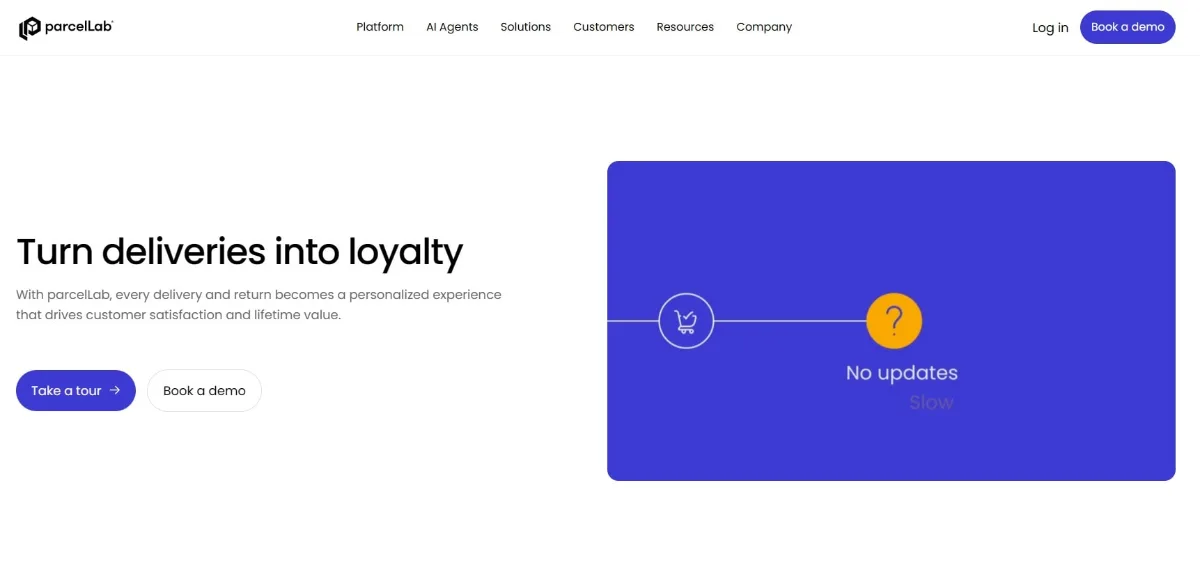
parcelLab supports personalized tracking, branded returns, delivery estimates, and performance analytics. You can guide each step after checkout and use behavioral data to build better experiences that reduce support tickets and drive more repeat purchases across markets.
Carriers: 550+
Key Features
- Delivery dates and insurance options at checkout
- Custom tracking pages with related product suggestions
- Smart return logic with recommendations based on return reasons
- Post-purchase reporting dashboard with benchmarking tools
Pros
- Flexible backend setup for teams that want deeper workflow control
- Built-in product recommendation engine for both delivery and returns
- Clear tracking and update system that improves buyer communication
Cons
- Setup can be complex and requires heavy input from your internal team
- Limited UI customization without a dev team
Best for: Enterprise retailers that manage global logistics.
Integrated with: Shopify, Magento, Salesforce, SAP, Shopware, Attentive, and Digital Genius
Pricing: According to Capterra, parcelLab’s plans start around €2,400/month. There’s no free trial or free plan.
#4 Loop
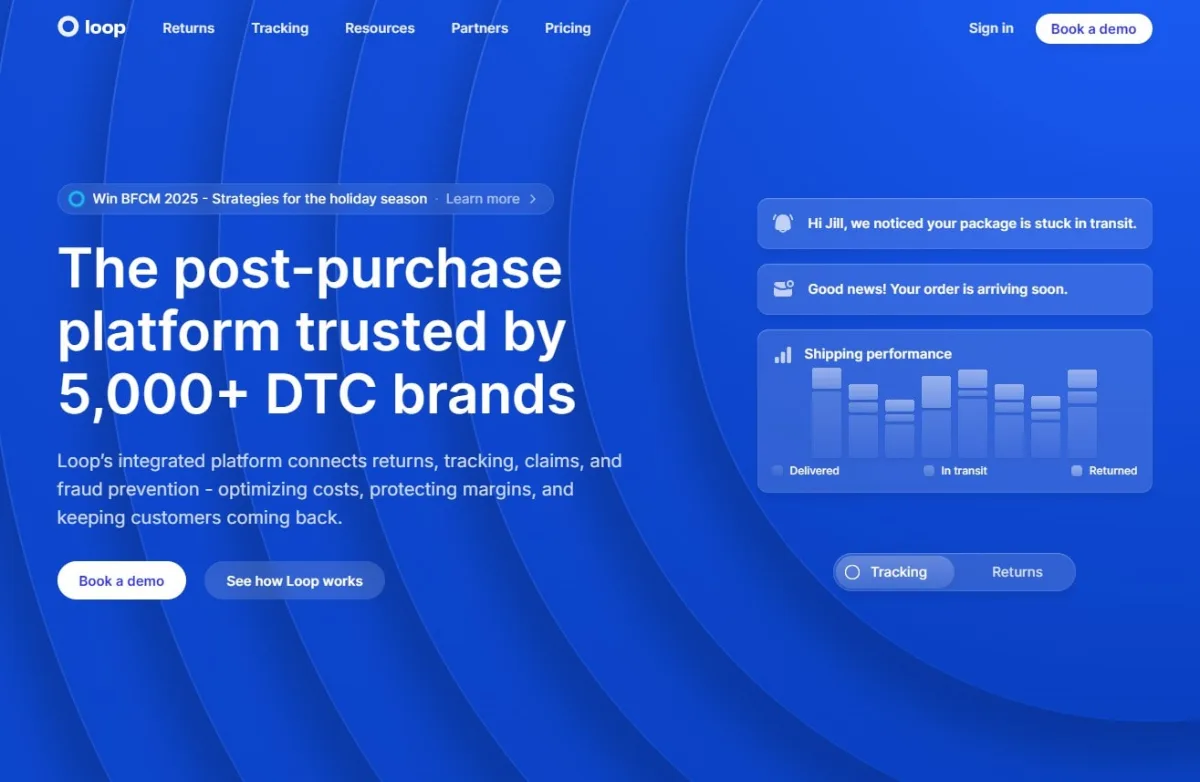
Loop focuses on returns, with tools that protect revenue and make returns easier for customers. Its return-first system supports instant exchanges, personalized recommendations, and automation workflows. It also offers delivery estimates and basic order tracking.
Carriers: 100+
Key Features
- Instant exchange and shop-now tools to reduce refunds
- Tracking and delivery updates with estimated arrival dates
- Returns portal that suggests alternatives based on the return reason
- Automation rules to adjust flows based on product, customer history, or inventory
- Delivery protection for smoother refunds and fewer loss claims
Pros
- Offers size swaps, store credit, and shop-now options in one flow.
- Return portal handles high volumes without manual work.
- Checkout+ lets you cover return shipping or upsell protection at checkout.
Cons
- Not ideal for brands outside Shopify or those using multi-channel selling.
- Entry price is higher than most return platforms.
Best for: Shopify stores with moderate to high return volume that want to recover lost revenue and reduce refund rates.
Integrated with: Shopify (native), plus tools like Gorgias, Rise.ai, and Klaviyo
Pricing: Loop’s monthly pricing starts at $155 for returns and $99 for tracking. Like parcelLab, it has no free trial or free plan.
#5 Corso
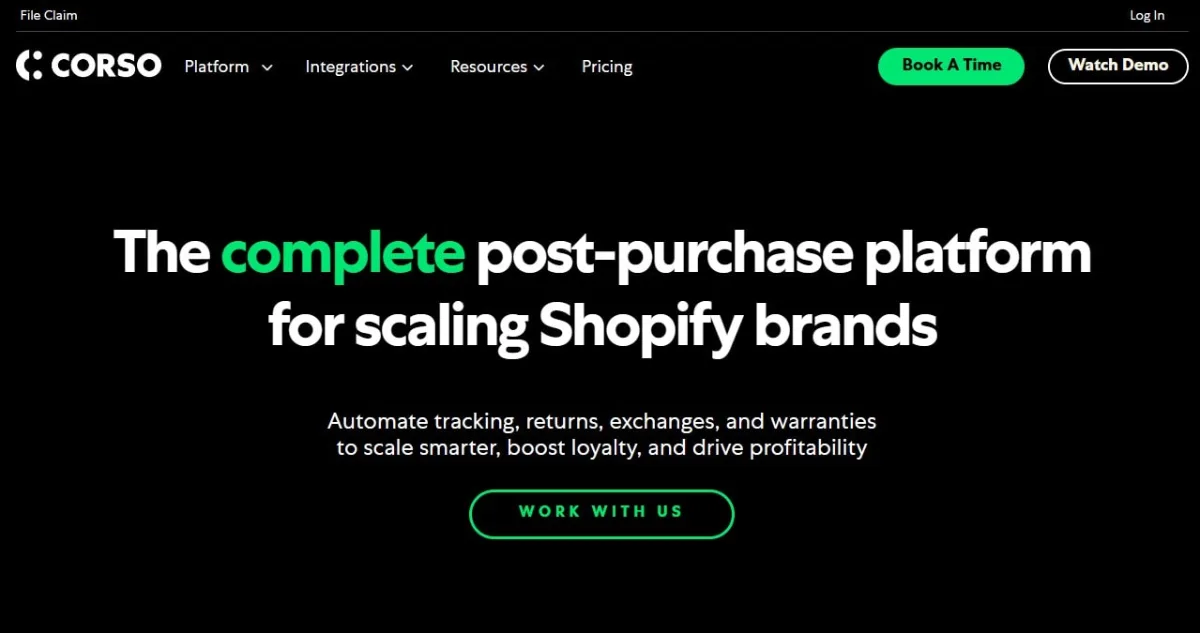
Corso handles returns, shipping protection, tracking, warranties, and carbon offsets in one post-purchase setup. It gives your customers a branded place to track packages, file delivery claims, and manage return requests.
Carriers: Not applicable (it uses third-party apps for carrier integration)
Key Features
- Checkout Plus add-on for shipping coverage, delivery estimates, and optional free returns
- Branded customer portal where buyers can track orders, start returns, and file warranty claims
- Warranty tools for product registration and flexible rules
- Returns automation with instant exchange options and smart routing
- Carbon offset options that let shoppers cover emissions at checkout
Pros
- Carbon offset and shipping protection option.
- Concierge support that handles delivery issue claims for you.
- Performance-based pricing (no setup fees or locked-in contracts).
Cons
- Doesn’t link directly with major carriers.
- Overkill for smaller stores with basic post-purchase needs.
Best for: Shopify and BigCommerce brands with fluctuating order volume.
Pricing: Usage-based pricing with no setup fees or long-term contracts. You only pay when Corso actively supports a return, claim, or service.
#6 Parcel Perform
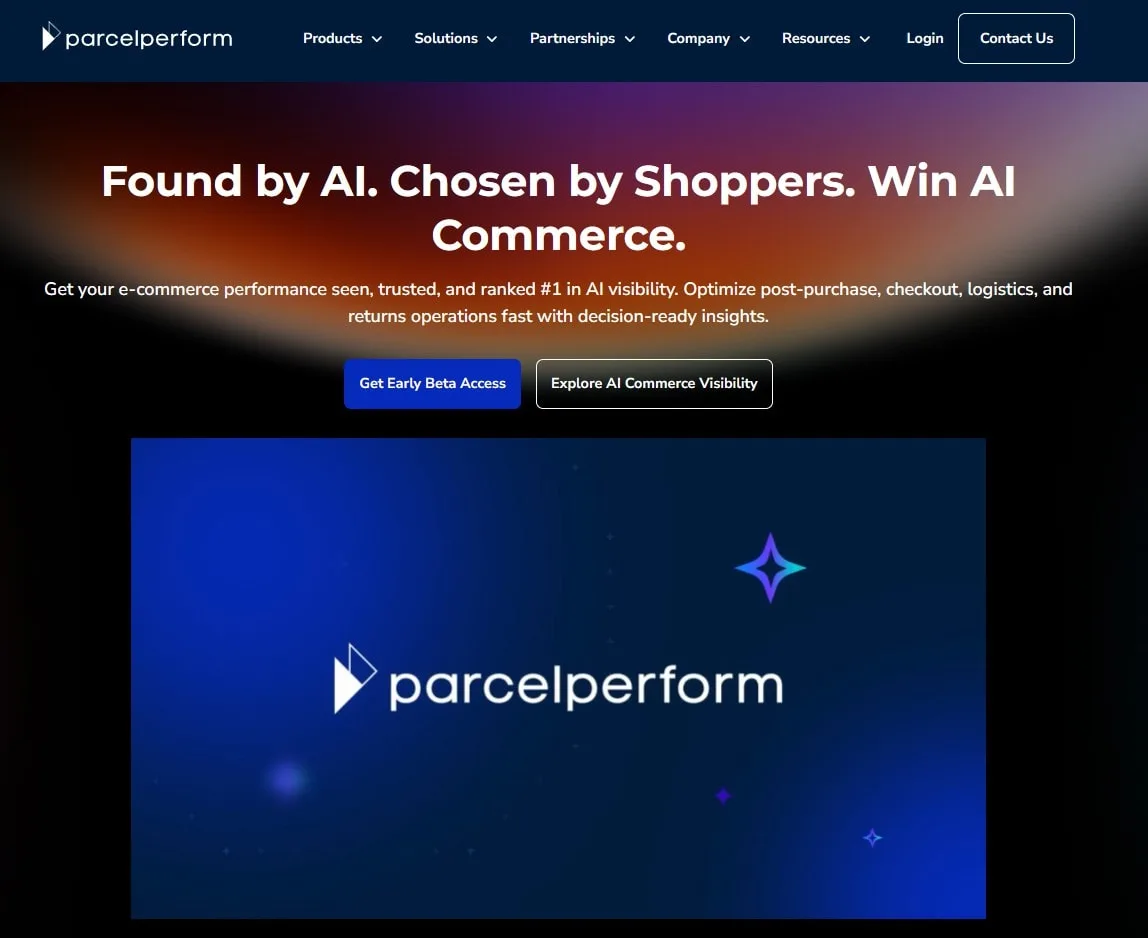
Parcel Perform is a delivery experience platform that tracks multiple carriers and uses AI to predict delays, flag shipping risks, and keep your team a step ahead. With it, you can manage expectations early, reduce “where’s my order” tickets, and compare carrier performance in one place.
Key Features
- Estimated delivery predictions trained on real shipping data
- Shipping alerts that notify your team of delays or failed deliveries
- Self-service tools for returns, exchanges, and warranty requests
- Carrier mapping for international fulfillment and smart courier matching
Pros
- Customizable tracking widget that can show ratings, EDDs, and product suggestions.
- Option to automate returns, warranty claims, and policy rules.
- Lets you control messaging instead of relying on carrier alerts.
Cons
- No public pricing info available.
- Interface has a learning curve if you’re new to logistics tools.
Best for: Mid-sized to large ecommerce and logistics teams that ship globally and need detailed insights into carrier performance.
Integrated with: Shopify, Magento, BigCommerce, WooCommerce, SAP Commerce Cloud, PrestaShop, and Klaviyo.
Pricing: Custom pricing only. You’ll need to request a demo to explore features and see the cost.
#7 Redo
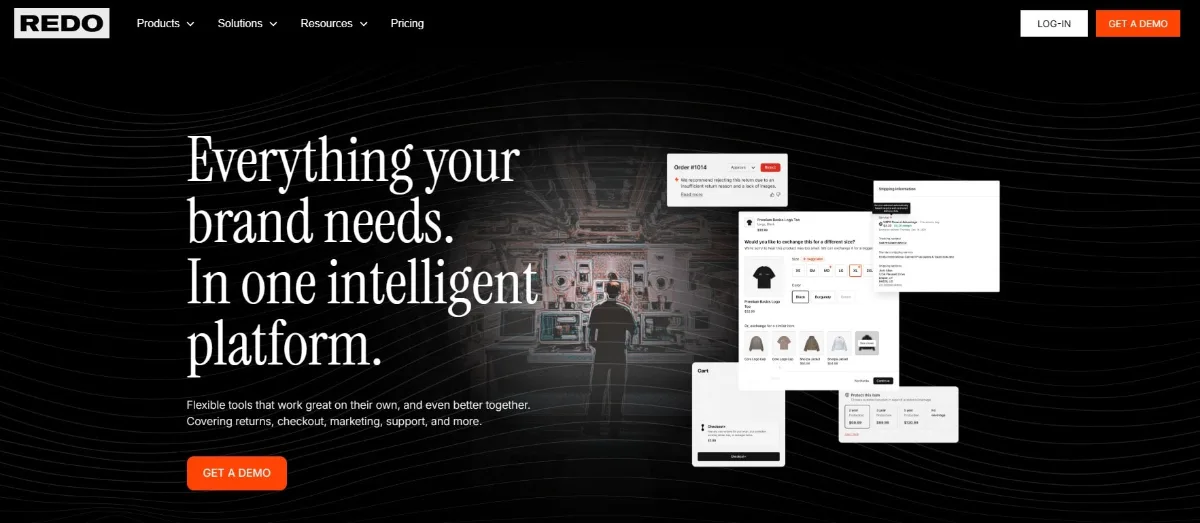
Redo is a post-purchase platform that brings together returns, fulfillment, tracking, and support. It also uses AI to recommend better exchanges, organize batch shipping, and suggest faster replies for common questions.
Carriers: Six
Key Features
- Instant exchange recommendations through a branded returns and claims portal
- Automated fulfillment tools using batch shipping, Shopify sync, and custom order rules
- AI-driven support tools that draft replies and handle repetitive tickets
- Branded checkout and tracking pages with live delivery updates and upsell content
Pros
- Helps cut fulfillment steps with auto-batching and scan-to-verify workflows.
- Offers real-time tracking updates that drive traffic back to your site.
- Personalized return logic that improves exchanges and reduces refunds.
Cons
- Limited carrier coverage compared to bigger platforms.
- AI tools and add-ons may cost extra depending on setup.
Best for: Shopify brands that want control over more post-purchase operations than tracking, returns, and protection.
Integrated with: Shopify, BigCommerce, Salesforce Commerce Cloud, Klaviyo, Gorgias, Recharge, Flexport
Pricing: Redo’s core tools, like returns, fulfillment, and tracking, are free to use. But its email marketing, AI support, and SMS are available as paid add-ons.
How to Choose the Right Post-Purchase Experience Platform
Pick a platform based on your main goal, budget, team setup, and what you can measure. The right choice depends on whether you’re fixing immediate order tracking issues or building repeat purchase behavior.
- Your main goal: Are you trying to stop “where is my order” tickets or get customers to buy from you again after their first purchase? Tracking automation solves the first; loyalty and recommendation features drive the second.
- Budget: Some platforms charge per tracked shipment, others per customer interaction. Make sure you understand what happens to your costs when you get busier during holiday shopping (those extra fees add up quickly).
- Your team’s setup: The platform needs to connect with your shipping carriers and current tools, like email marketing or returns management. A simple setup means faster results when customers start asking about their orders.
- Measurable results: Look for platforms that show how many shipping inquiries you’re preventing or how many customers come back for second purchases. Delivery satisfaction and return-rate data show you where to improve.
CWILL Post-Purchase brings together order tracking, returns and exchanges, and shipping protection for Shopify brands, with setup in minutes and dedicated support.
Post-Purchase Experience Platform FAQs
A post-purchase experience platform is software that manages everything after checkout, including order tracking, delivery notifications, returns and exchanges, and follow-up messages. Tools like CWILL Post-Purchase connect your Shopify store to shipping carriers so customers get real-time updates, which cuts “where is my order?” tickets and makes repeat purchases more likely.
A post-purchase flow is a sequence of automated messages sent to customers after they buy. It usually starts with an order confirmation and shipping updates, then moves to delivery notifications, review requests, and product recommendations. A good flow keeps customers informed until the order arrives and gives them a reason to buy again.
The best CX platform depends on what you need to support. Zendesk covers full-scale service management, Gorgias is built for ecommerce support teams, Intercom focuses on live messaging, and Willdesk handles multiple communication channels. For the experience after checkout, pair your CX tool with a post-purchase platform like CWILL Post-Purchase for tracking and returns.
The five stages are problem recognition, information search, evaluation of alternatives, the purchase decision, and post-purchase behavior. The last stage runs from checkout through delivery and beyond, and it decides whether a first-time buyer becomes a repeat customer. That makes post-purchase the stage brands can influence most directly after the sale.

Content Specialist
I’m passionate about creating SEO-friendly content that also resonates with readers. I take data and insights and turn them into actionable, practical ideas. My mission? Helping websites drive organic traffic and grow sustainably.