Key Takeaways
- WISMO is a shortened term for “Where Is My Order?” It refers to customer inquiries about a product’s delivery status.
- WISMOs account for about 21% of all e-commerce support tickets on average.
- The most effective fix: a branded order tracking page paired with proactive shipping notifications.
Nearly 90% of consumers say they want to track their orders, and half blame the brand (not the courier) when things go wrong.
For most e-commerce brands, WISMO (“Where is my order?”) is one of the top drivers of support volume. About 21% of all tickets are some version of it.
In this guide, we’ll cover what causes high-WISMO inquiries, what it costs, and what brands like Ever-Pretty did to cut those inquiries by 68%.
Why Is WISMO So Expensive?
WISMO is expensive because it consumes your budget, drains customer service agents’ time, and prevents you from focusing on genuine customer issues.
On a typical month, WISMO makes up about 21% of all support tickets.
Now, imagine an e-commerce store making $50,000/month in revenue. Based on industry data, they’ll receive around 550 support tickets per month. And about 115 WISMO tickets out of that (if we follow the stats above).
But how much do they cost? A 2020 report claims that customer service calls can cost around $5 per interaction.
If we apply that to WISMO, the cost is $575 per month to confirm shipping updates. That’s nearly $7,000 spent a year answering the same question.
We’re only talking about the direct costs here. We didn’t include the hours your team loses and how it affects e-commerce’s bread and butter: customers.
Common Causes of WISMO Calls
E-commerce brands often receive WISMO phone calls due to issues such as vague delivery times, lack of real-time updates, or missing packages. Any time this happens, customers reach out because they feel iffy about the status of their order.
Let’s break down the post-purchase communication gaps and name the common reasons:
- No real-time updates: No messages after the purchase? That’s a red flag for your customer. If they don’t hear anything from you, such as a shipping notice and “out for delivery” update, they might assume something went wrong.
- Vague delivery timelines: Delivery timelines are a “waiting cushion” for your customers. If you don’t provide them with one, they’ll become nervous (and may have trouble sleeping).
- Shipping delays: The package didn’t arrive on your promised date. Stuff like bad weather, high order volume, carrier issues, etc., can cause some hiccups. And that’s okay. What’s not is leaving your customers in the dark and not telling them what’s going on.
- Split shipments: Did your customer order multiple products? If only one item arrives and you didn’t inform them that the rest would come in separate packages, don’t be surprised by a follow-up message.
- Lost packages: Sometimes, it’s an error; other times, it’s theft. In the U.S. alone, package theft affected around 58 million people last year. But whether you know the reason or not, you’ll get a WISMO message if your customer doesn’t receive their order.
Now that you know how expensive WISMO customer inquiries are and why they happen, let’s talk about reducing WISMO calls and chats.
6 Actionable Tips to Reduce WISMO and Boost Revenue
1. Offer delivery time estimates
If you give accurate and clear delivery time estimates, your customers won’t have to guess or ask. It’s one small detail that can prevent a WISMO ticket.
Here’s what better delivery time estimates can look like:
- Use specific dates (“Expected delivery: July 12”) or date ranges (Arrives in 3-5 business days).
- Display estimates on the product page, cart, checkout, and confirmation email.
- Consider the shipping location and include a small buffer for potential delays.
2. Build a branded tracking page
Sending your customers to a branded real-time tracking page can provide immediate updates, plus extras like customer data protection and product suggestions.
Of course, you can use free and ready-to-use third-party carrier sites. But there’s no way to inject “your brand” into the customer experience.
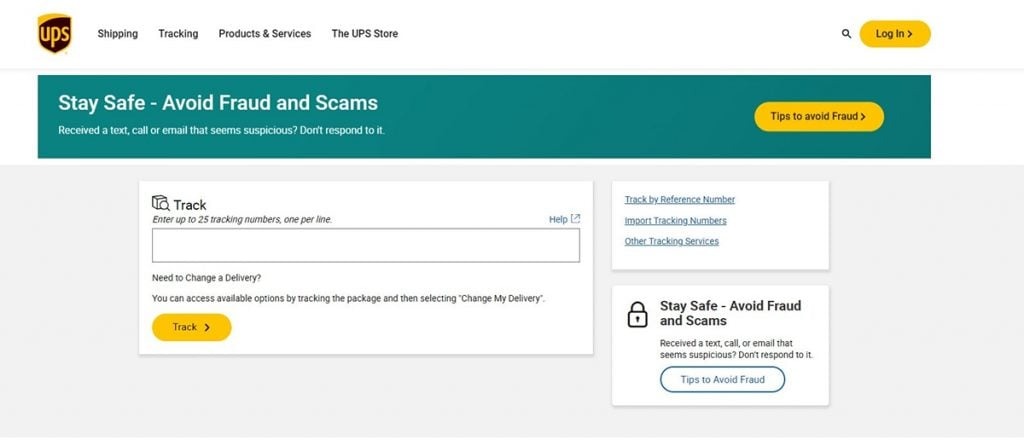
If you want to manage customer expectations better, a branded tracking page can help in two important ways:
- Offers a personal touch. A Klaviyo study found that 74% of shoppers expect brands to deliver more personalized experiences. A UPS page won’t win you hearts, but your own tracking page can.
- Revenue during the wait. A branded tracking page isn’t just a status update — it’s a touchpoint. Product recommendations displayed while a customer waits turn post-purchase anxiety into repeat purchase opportunities.
If you’re familiar with HTML and CSS, you can build your own. Or you can use CWILL Order Tracking to set up a branded tracking page in under an hour.
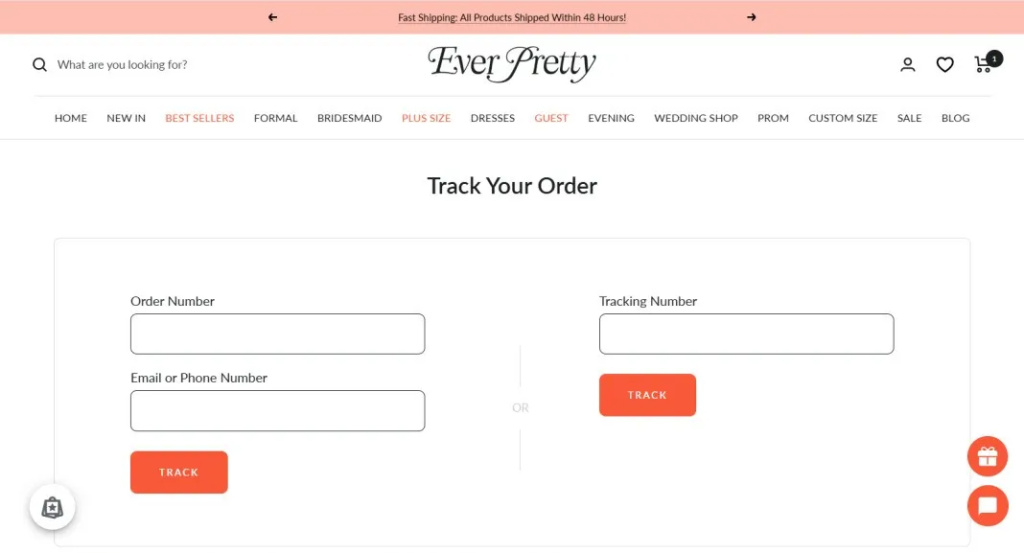
Here’s what that looks like in practice. Ever-Pretty, a global dress brand founded in 2005, implemented CWILL Order Tracking to address a specific pain point: their made-to-measure gowns take 10-14 days to produce, and customers were checking tracking 4-6 times per order out of anxiety.
After launching a branded tracking page with automated email updates and personalized product recommendations, their WISMO inquiries dropped by 68%.
“CWILL made a big difference to our post-purchase experience—customers could track orders and submit returns independently,” said Anna Shi, Founder & CEO of Ever-Pretty.
3. Monitor carrier performance over time
Your carrier is part of your team. If it is consistently late or fails to update tracking information, it results in WISMO messages (and additional work).
These are some of the metrics you should track:
- Order Management: Check how long it takes to ship out an order. Are you consistently meeting that window? Also, pay attention to the accuracy of your order.
- Supply: You should also monitor the lead time (the time it takes for the carrier to start moving your shipment). If it’s taking too long, your customers will feel that delay.
- Inventory: Late shipments can disrupt your inventory tracking, lead to backorders, or cause confusion about what’s available versus what’s still in transit. Keep an eye on how it performs in terms of inventory accuracy and backorder rates.
Pro-tip: Diversify your carrier mix. Working with multiple carriers (instead of one) gives you room to adjust. UPS isn’t performing well in Canada lately? No problem. You can shift to DHL or Canada Post. FedEx shipping fee too expensive in Europe? Evri can provide more affordable options.
4. Update your shipping policy
A well-written and transparent shipping policy equals fewer customer service operations and less customer confusion.
But what does a good one look like? It covers important details like:
- Delivery timelines
- Processing times
- Shipping costs and options
- Possible delivery delays
- Shipping protection
- Returns and exchange policies
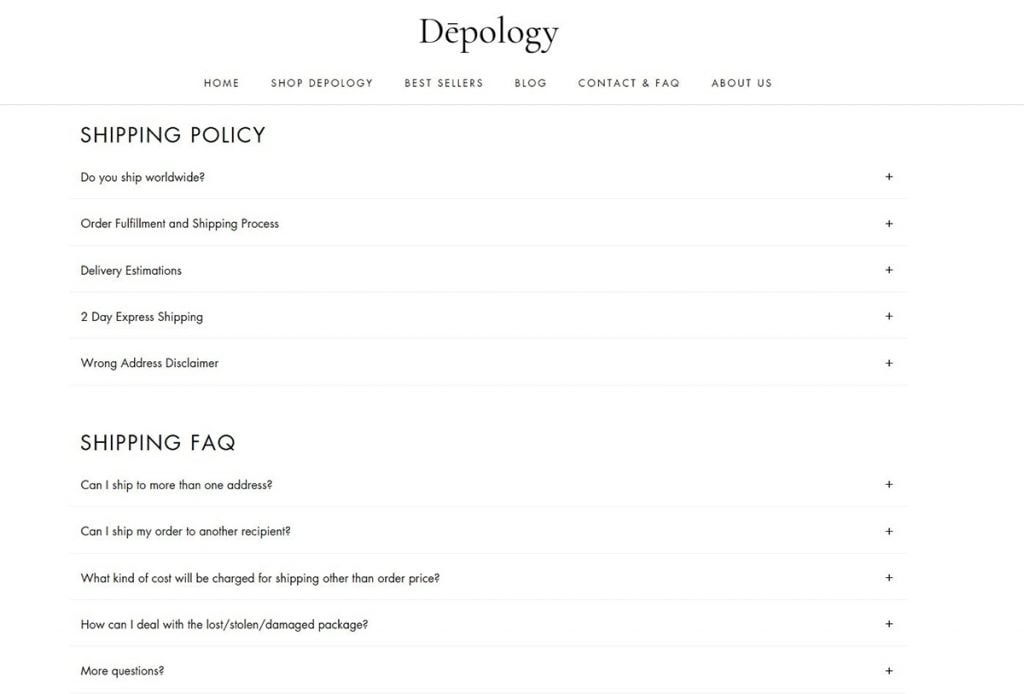
Take a look at one of our clients, Depology. They have detailed shipping policies on their order tracking page, so customers can find answers while they wait.
5. Answer WISMO in your FAQ
Your FAQ section can also be useful for the post-purchase experience.
About 69% of buyers say they’d rather solve issues on their own. And more than half search the company’s help page before reaching out to customer service teams.
Imagine how much time your team can save if your FAQ page answers their most common WISMO questions.
Here’s what you need to cover in your FAQ section to keep customers informed.
- When will my order arrive?
- How can I track my package?
- What if my package is delayed or lost?
6. Auto-reply to WISMO via live chat
With auto-replies, you don’t need someone to answer every single WISMO question.
You can set them up in your live chat, which triggers when someone types “order,” “tracking,” or “delivery.” These auto-responses can link directly to your tracking page.
For example, a triggered reply might look like this:
“You can track your package here: [tracking link]. Need more help? Type ‘chat with agent’ and we’ll connect you with our team.”
If your team handles 150 WISMO chats a month and spends two minutes on each, that’s five hours of support time. Auto-replies bring that time close to zero, and once you’ve written them, they need only minor updates to stay current.
Where to Go From Here
If you made it this far, you already know how WISMO affects your business and what you can do about it. The next step is putting it into practice.
Start with three things you can set up this week:
- Add estimated delivery dates at checkout
- Set up a branded tracking page
- Update your shipping policy
CWILL Order Tracking is built to help DTC brands improve their post-purchase experience without a complicated setup. It gives customers clear delivery estimates, real-time shipping notifications, and a branded tracking page that’s 100% theirs.
Try CWILL Order Tracking, for a better customer experience and a lighter workload for your team.
FAQs
WISMO stands for “Where is my order?” It’s the most common post-purchase customer inquiry in e-commerce, triggered when shoppers don’t receive timely updates about their delivery status. WISMO inquiries account for about 21% of all e-commerce support tickets on average.
Divide the total number of “where is my order?” support tickets by your total support ticket volume in the same period, then multiply by 100. A WISMO rate above 20% is a signal to review your post-purchase communication strategy.
The most common causes are: no real-time updates after purchase, vague delivery timelines, unexpected shipping delays, split shipments sent without notification, and lost or stolen packages.

#1 Shopify Tracking Solution for eCommerce
Note: This blog was originally written in English and translated using an automated tool to make the content accessible to a global audience. We believe in sharing valuable insights with everyone and apologize for any inaccuracies. If you spot any errors, please feel free to contact us for corrections. Your feedback helps us improve and ensures the content’s value is fully realized.

Content Director | 9+ years decoding B2C & B2B eCommerce, obsessed with SaaS and retail storytelling
Words are my weapon—crafting killer copy, decoding trends, and turning data into gold. When not strategizing: Coffee addict, pun enthusiast, and book lover. Ready to level up your eCommerce game? Let’s chat. ☕️