As an ecommerce brand, the best way to improve your post-purchase engagement is to build a system that guides your customers from checkout to repeat purchase and, eventually, turns them into loyal customers.
You need to work on managing transactional updates, helping them use what they bought, and building a loyalty loop that keeps them coming back. And we’ll help you with that.
In this article, we’ll explain what post-purchase engagement is in detail, how important it is in shaping your customer experience, and which metrics to measure. Plus, we’ll discuss the four simple phases you can focus on to turn one sale into a long-term relationship.
What is Post-Purchase Engagement? Measuring Post-Purchase Success
Post-purchase engagement is the process of staying connected with your customers even after they check out. It’s one of the most effective ways to build loyalty and increase your customer lifetime value.
Radial found that 79% of online shoppers would think twice about ordering again if the post-purchase experience was bad. Your customers remember what happens after the sale, so clear updates, fast support, and even a quick thank-you can improve their satisfaction.
Sadly, many brands stop after sending the shipping confirmation. Some customers don’t get a clear delivery timeline and are left to monitor their package on their own. What makes it worse is not knowing who to contact for any updates or issues.
How Customer Behavior Changes After the First Buy
After your customer places an order, they may start questioning their purchase decision. “Was it the right choice?” “Will it arrive on time?” “Did I spend too much?” You need to address these doubts to prevent buyer’s remorse and avoid refund or return requests.
The good news is that there are simple ways to do that. You can send post-purchase emails with shipping timelines, product tips, and a support contact they can reach easily.
Take HexClad, for example.
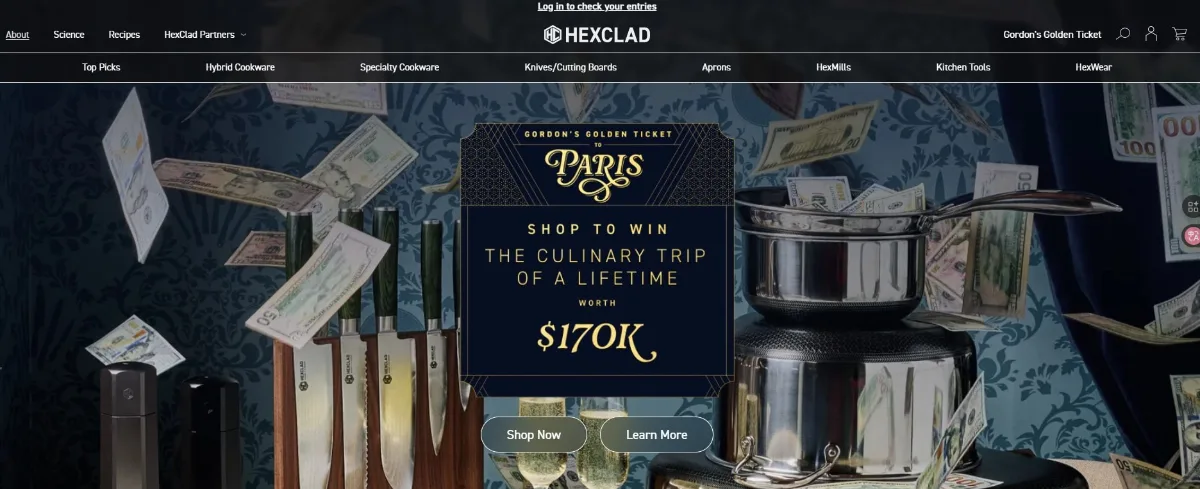
They send welcome emails with product care tips, answers to common questions, and simple cooking guides. Plus, they use customer feedback to create helpful tutorials and improve future messages, and every purchase is backed with a lifetime warranty. No wonder Gordon Ramsay became a fan of the brand.
Learn more about customers’ post-purchase behavior.
Key Metrics for Post-Purchase Engagement
So, how do you know if your post-purchase engagement needs some fixing? You can use the following metrics for that:
- Customer retention rate: Helps you track how many existing customers stay and keep buying from you. A high retention rate means your current post-purchase efforts are working.
- Repeat purchase rate: This measures how often first-time buyers place another order (in a specific period). A low repeat purchase rate can mean you need a stronger follow-up strategy, like sending replenishment reminders.
- CSAT (Customer Satisfaction Score): Lets you see how your customers evaluate your post-purchase communication. Was it clear, timely, and helpful?
- CLTV (Customer Lifetime Value): Tells you how much your average customer spends over their full buying journey. It reflects how strong your customer relationships are and measures how profitable a single customer is.
All four metrics matter, but if you’re new to post-purchase analytics, start with two. Pick the ones where you already have some data or really want to see a change.
Phase 1: Immediate Transactional Engagement
#1 Setting Up Your Post-Purchase Communication Flow
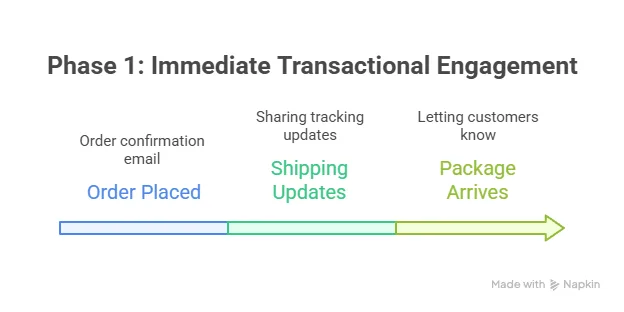
Post-purchase communication starts when your customer places an order and continues after delivery. Here are the “key moments” that transactional engagement covers:
- Sending an order confirmation email
- Sharing shipping updates
- Updating your customer when their package arrives
You can also add extras, like a review request or a quick restock reminder.
Automated messages are the best way to handle this because you can reach every customer at the right time, with less repetitive effort on your part. Just make sure your messages are consistent, sound like your brand, and feel personal to your customers.
Getting this part right starts the relationship on the right foot, because it directly shapes customer expectations, experience, and engagement after the purchase.
#2 Optimizing the Shipping Confirmation Email Experience
Your customers want three questions answered in your shipping confirmation email: “When will my order arrive?” “Where can I track it?” and “Who can I contact if I have questions?” Make those answers easy to find.
Your subject lines should also be clear, concise, and direct. For example, “Your order is on the way” or “We just shipped your cold brew kit” is way better than “Urgent: Hi [Customer Name], Check this out.” A clear subject line confirms what the customer expects to see.
One of our clients received a flood of “where is my order” messages after a big sale. Their tracking link was buried at the bottom of the email, the actual delivery date was missing, and there were no customer support details.
After they reorganized the email and filled in the gaps, their WISMO tickets dropped 60% in about six weeks.
This email also works for cross-sell suggestions because customers waiting for their order are very likely to open it. Add a related product near the bottom with “Pairs well: [product] – 10% off” and link to the product page.
#3 Using the Power of Delivery Confirmation Email
The delivery confirmation email is your last automated touchpoint with the customer. You already told them the order shipped, so now you’re “closing the loop” and confirming they actually received what they paid for.
But you can also use this email to start a new conversation with your customer and gather useful insights.
For example, you can ask a quick question about their delivery experience. Something like: “Did your order arrive on time?” or “Was the delivery experience good?” Keep it short and easy. A thumbs-up/down button or a simple yes/no option works here.
You can use their responses to optimize your shipping and processing. If most of your customers in Florida keep receiving their packages late, you might switch carriers in that area.
Phase 2: Customer Onboarding and Proving Your Value
#1 Driving Product Adoption and Success with Targeted Onboarding
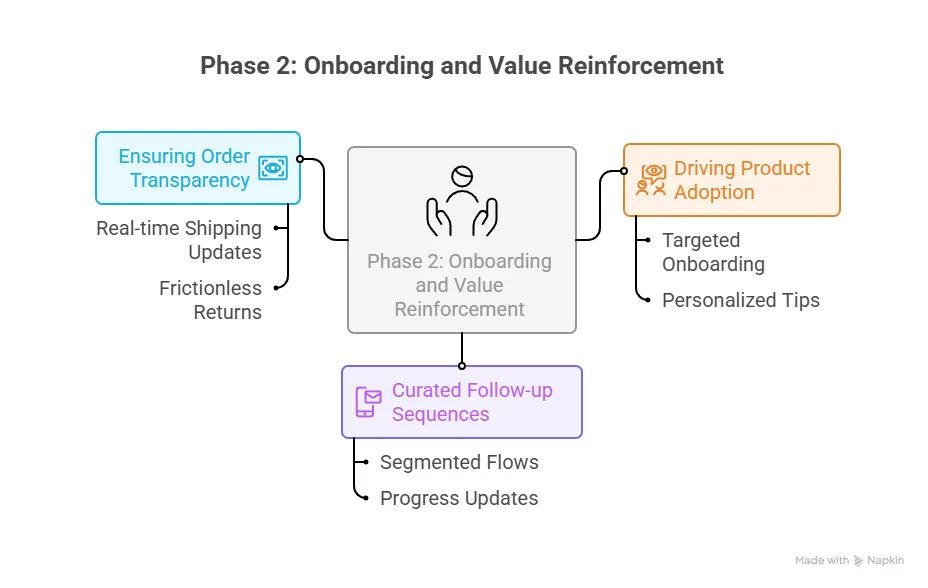
86% of customers say that receiving helpful content after a purchase makes them want to stay loyal to a brand. Onboarding gives you a space for that. It lets you show your brand’s commitment to helping customers get the most out of their purchase.
Give customers simple, clear guides so they can enjoy what they ordered. A quick video, short tutorial, or one-page email can do the job. Just remember to keep it “digestible” (no one has time to read a two-page PDF).
Personalize your tips based on what they bought. Someone ordered a 14-day detox bundle? Send advice on how to pace it. Someone picked a sampler? Offer flavor pairings or prep ideas that make the experience better.
Customers get better results and run into fewer problems when they know how to use your product properly. What does that mean for your business? Fewer returns, fewer support tickets asking “how do I use this,” and a higher chance of repeat business.
#2 Building Follow-Up Sequences to Engage with Customers
You need to keep your customers engaged with follow-up sequences. But here’s the thing: don’t overdo it. Nobody likes getting too many emails (we’ve all been there). What matters is knowing when to reach out and what to say based on what they actually bought.
Segment your flows based on product type. Let’s say you sell resistance bands and personal training plans. New buyers of bands might get a quick-use guide right away and then a check-in email in ten days.
For those who bought a digital plan, send an email three days after purchase with tips on staying consistent. Then follow up two weeks later with a discount on resistance bands that pair well with their training plan.
You can also ask for a quick update, invite them to share progress photos, or give early access to restocks. These check-ins keep communication consistent and help turn one-time buyers into repeat customers.
#3 Making Order Tracking and Returns Easy
Real-time shipping updates make your orders more transparent. You can send customers updates on their current order status (including out-for-delivery notices or any issues), link to your branded tracking page, and provide an accurate estimated delivery date.
You also need to offer frictionless returns. Many customers prefer handling returns on their own, so give them a self-service returns option. And give customers options beyond refunds, like exchanges or store credit.
If customers can swap a product in a few clicks, they’re more likely to exchange than ask for a refund. This approach can also help build customer loyalty because people remember how easy you made it for them to return items.
You can use post-purchase software like CWILL to make this process easier. It lets you automate tracking updates and set up a branded return page where you can offer flexible return options.
When setting up your tracking and returns pages, don’t forget to include easy ways for customers to reach you. Add live chat, email, or phone support directly on your tracking page and confirmation emails. You can also include FAQs for common issues.
Phase 3: Feedback, Advocacy, and Community
#1 Driving Post-Purchase Behavior with Reviews and UGC
The best time to request online reviews depends on the product type. Use this simple guide:
| Product Category | When to Send Review Request (after delivery) |
| Food and beverages | 1–2 days |
| Fashion and apparel | 2–5 days |
| Dog and pet products | 3–7 days |
| Skincare products | 10–14 days |
| Health supplements | 21–30 days |
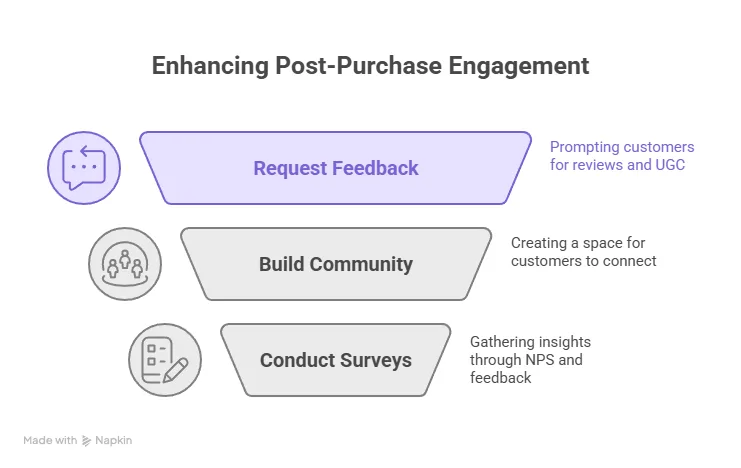
You can also encourage customers to share UGC (user-generated content) to make your reviews more persuasive. Use simple prompts to ask for photos and short videos, and offer an incentive (like 10% off their next purchase) for an extra push.
Customer feedback is valuable for your business, so don’t skip this post-purchase moment. A study published on ResearchGate found that positive online reviews improve consumer trust and influence purchase decisions.
Read more: Post-Purchase Behavior: How to Boost Customer Retention & Repeat Sales
#2 Building a Strong Post-Purchase Community
Communities are a great way to maintain post-purchase engagement because they focus on building real connections beyond the transaction.
They give your customers a space where they can connect with others and share their experiences with your products.
Kiyoko Beauty, a cosmetics brand, sets a great example. They post content that feels like you’re getting makeup advice from your best friend. Their team also shares honest tips and makes it a two-way conversation by asking their customers what worked for them.
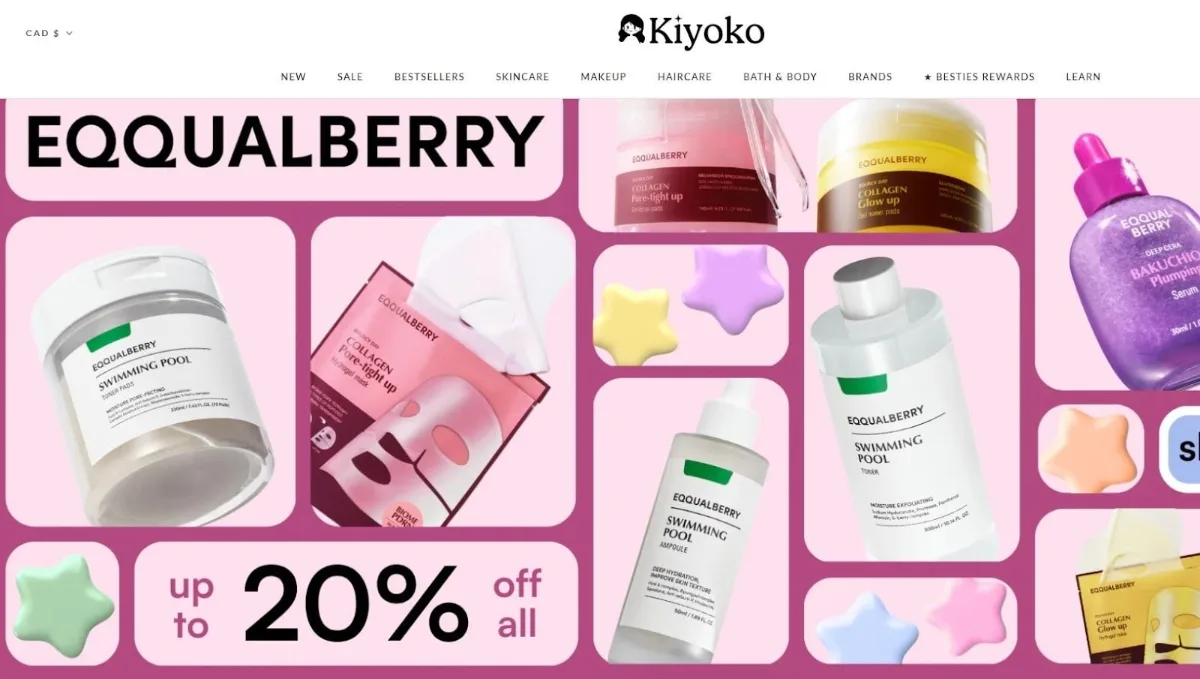
This gets people talking to each other in private groups where they feel comfortable sharing photos and asking questions.
Your community will surface insights that formal surveys can’t. It also creates a richer post-purchase experience, encourages customers to recommend your products to new members, and increases future purchases.
Since your customers feel that they belong to a group, they’ll share what problems your products solved and what they want to see next.
#3 Collecting Customer Feedback with Surveys and NPS
Let’s talk about the original feedback method (sorry, but surveys aren’t going anywhere). Feedback surveys and NPS (Net Promoter Score) are still reliable ways to get your customers’ opinions about your post-purchase experience.
Go for simple surveys with 3-5 questions max. If you want to use NPS, ask a direct question like “How likely are you to recommend us to a friend?” Then add a 0-10 scale.
Don’t just collect this feedback; act on it. Reach out to customers who give you a score below 7 and ask for more details about their experience. Remember to stay calm and actually listen to what they tell you. Sometimes, offering a discount, store credit, or replacement helps turn a negative experience into a positive one.
For customers who give you a 9–10 score, ask them to leave a public review or give you a shout-out on social media. Keep them close; they can become your brand advocates.
Phase 4: Customer Loyalty and Repeat Sales
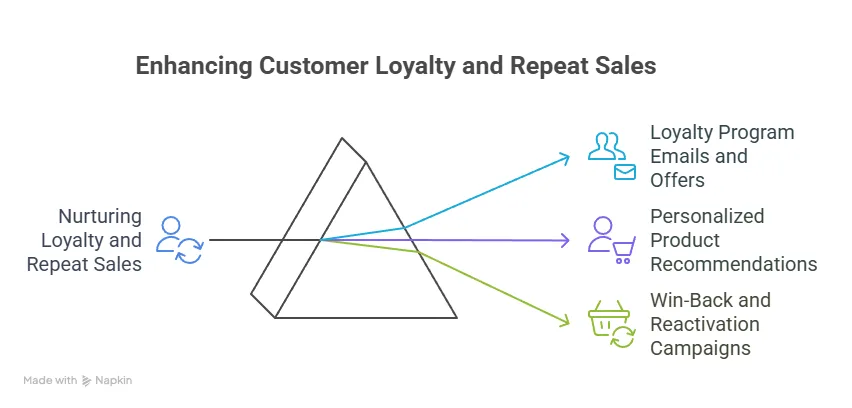
#1 Designing Effective Loyalty Program Emails and Offers
Loyalty program emails work when members can see where they stand without hunting for the information. They open the email, see their points, and see what they can get. Simple as that.
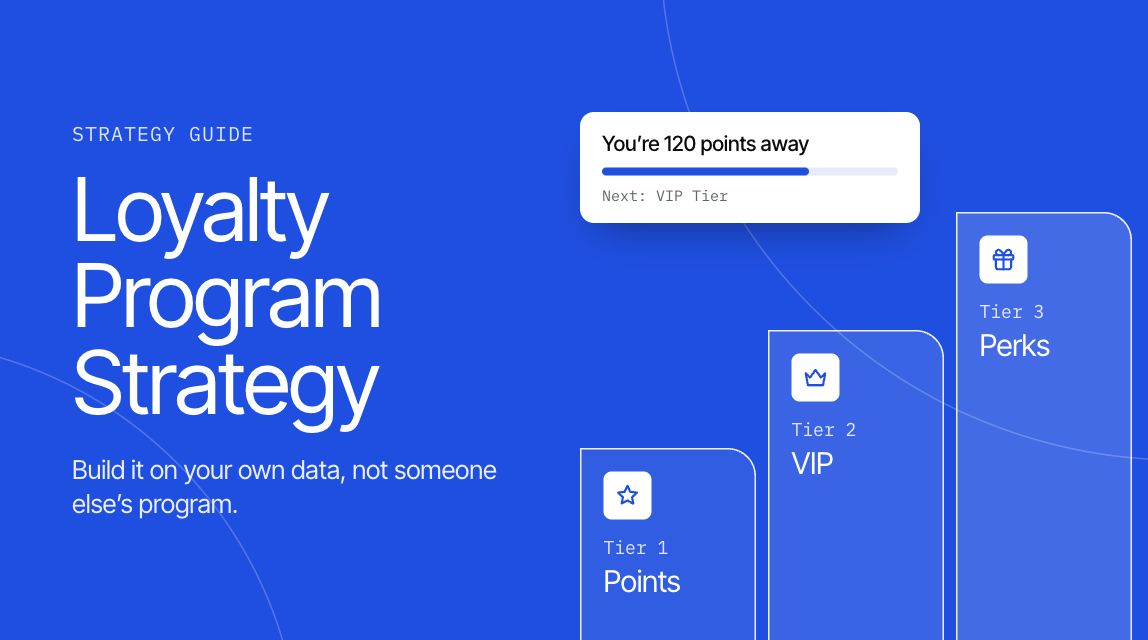
Put the point balance at the top. Then show what rewards are available and how close they are to snagging one. Say someone has 850 points and needs 1,000 for a $15 discount. Just write “150 points away from your next reward” (so they don’t have to do the math).
Tiered systems are a popular and effective loyalty structure because they give people something to work toward beyond collecting points. You can assign 1 point per dollar for Bronze members. Silver members could earn 1.5 points per dollar and get early access to new products. Gold gets 2 points, free shipping, and a birthday discount.
When your customer sees they’re close to Silver, they start thinking about what else they need anyway. Might as well order it now to hit that level, right?
These programs work pretty well. Capital One Shopping found that 52% of customers spend more when they’re in a loyalty program. Sometimes they buy to earn more points or hit the next tier; other times it’s because points are about to expire.
To keep people engaged, send reminders about expiring points or member-only sales.
#2 Using Personalized Product Recommendations for Repeat Purchases
How do you decide what to recommend to customers after their first purchase?
Product recommendations based on purchase history come across as genuine suggestions. Since they are relevant to what your customers already bought, they don’t feel like random promotions.
Cross-selling works well here because you can already tell what they might need next. Someone ordered running shoes? They probably need socks or insoles. They bought a starter skincare set? Suggest the full-size version of the product they’re running low on.
Personalized product emails encourage repeat purchases better than mass emails pushing your latest sale. Customers respond when the offer matches their actual needs (not just whatever you’re trying to move that week).
#3 Re-engaging Inactive Customers
Win-back campaigns are for your customers who haven’t bought anything from your store in a while. They remind customers that you still exist and encourage them to break their inactive streak and buy from you again.
First, decide when a customer counts as “lapsed.” Is it after 60, 90, or 120 days of no purchase? Once you have the timeframe, it’s time to set up your automated messages. Create a trigger that will send them at the right moment.
To improve conversions, make your offer specific and worthwhile. Use a subject line like: “Here’s 20% off the product you bought last time” and not “We miss you, please come back” (which comes across as needy). Send this once or twice, but change the angle each time so it doesn’t feel like a resend.
Your third email is your final attempt. If the first two get no response, add some urgency. Let them know this is your last email and throw in your best offer (plus a deadline).
Conclusion: Sustaining Long-Term Engagement
You’ve now got a complete post-purchase strategy to work with (nice!).
The next step is to pick which phase to start with. It could be transactional engagement, onboarding, review requests, or your loyalty strategy. Focus on whichever part of your customer experience feels weakest right now. Once that’s good, you can move on to the next post-purchase stage.
If you’re ready to improve your customer engagement after checkout and build a lasting impression, check out CWILL’s post-purchase software. It helps you send real-time updates, offer better returns and exchanges, and keep customers engaged throughout the post-purchase journey. For Phases 3 and 4, CWILL also offers product reviews and loyalty and referrals tools.
FAQs on Post-Purchase Engagement
The post-purchase process is everything that happens after your customer buys from your store. It covers order confirmations, shipping updates, customer support, follow-up emails, and even collecting online reviews. Your goal here is to make this part of the customer journey smooth to reduce returns and build a good relationship with your buyers.
A post-purchase transaction is any exchange between you and your customer after their initial payment. Some of the best examples are refunds, store credits, exchanges, or additional charges (like shipping costs) when something goes wrong with an order.
A POS (Point of Sale) strategy is an in-store method where you encourage more sales right at the checkout counter. You can do this by placing impulse items near the register, offering special deals at checkout, or training your staff to suggest “add-ons” before the customer pays.
What is an example of a post-purchase behavior?
A common example of post-purchase behavior is leaving a review after receiving an order. Other popular ones include placing another order, returning an item, or reaching out to your support team.

Content Specialist
I’m passionate about creating SEO-friendly content that also resonates with readers. I take data and insights and turn them into actionable, practical ideas. My mission? Helping websites drive organic traffic and grow sustainably.