Key Takeaways
- Post-purchase evaluation is the final stage of the consumer decision process. It starts the moment checkout happens.
- Expectation is the main variable you control. A shopper who gets what they were promised evaluates well, even when the product is ordinary.
- Much of the evaluation happens in places you don’t own, like the carrier and the 3PL. Keeping customers informed through those handoffs is the best fix you have.
- Five signals you already collect show how shoppers are evaluating you: “where is my order?” tickets, review ratings, loyalty activity, return reasons, and delivery duration.
Post-purchase evaluation decides whether a first order turns into a repeat customer. It starts at checkout, and much of it plays out in places you don’t control, like a carrier’s truck or a 3PL’s warehouse.
Below are the six stages shoppers move through after they buy, why they matter for your revenue and your support queue, the signals in your own data that show how each stage is going, and what to change when those signals turn bad. Justin Risso, CWILL’s Head of Revenue, and Michael Bernal, Head of Partnerships, add what they see across the merchants they work with.
What Is Post-Purchase Evaluation?
Post-purchase evaluation is the final stage of the consumer decision process. From checkout through delivery and first use, the shopper compares what they actually got against what they expected. That comparison decides what happens next: keep the product, return it, leave a review, or buy again. For a merchant, this is the stage where a completed sale becomes either a repeat customer or a lost one.
The Stages of Post-Purchase Evaluation
Post-purchase evaluation unfolds over days, and each stage produces a different signal on your side of the transaction.
| Stage | What the Shopper Is Doing | What You Can See on Your Side |
|---|---|---|
| 1. Waiting for delivery | Watching for shipping updates and deciding whether to trust your delivery estimate. | Tracking page visits, “where is my order?” tickets. |
| 2. Unboxing and first impression | Judging the packaging, the delivery speed, and the condition the item arrived in. | Delivery timestamps, carrier exception rates, damage reports. |
| 3. Product usage | Testing whether the product does what the listing said it would. | Time between delivery and first support contact; tickets naming a specific product. |
| 4. Expectation comparison | Measuring the real product against the promise that sold it. | Review text; return reasons citing “not as described.” |
| 5. Cognitive dissonance | Second-guessing the spend. This is the stage usually called buyer’s remorse. | Return requests raised within the first days of delivery. |
| 6. Final action | Deciding to keep the product, return it, review it, or buy again. | Review submissions, return rate, repeat purchase rate. |
Why Is Post-Purchase Evaluation Important?
Once a customer checks out, your brand is judged on things your team never touches. Justin Risso, Head of Revenue at CWILL, puts it this way:
“Post-purchase is probably the only part of commerce where a brand is making promises about things that it doesn’t control. The order is yours. The parcel belongs to a carrier. The warehouse belongs to a 3PL. The return sits in somebody else’s portal. Every post-purchase failure is a seam failure.”
A late carrier scan or a slow 3PL still counts against you. You can’t control every step, but you can keep the customer informed at each one, which is what CWILL Order Tracking is built for. How well you handle those seams decides two things: whether you get a second order, and how much time your support team spends answering “where is my order?” tickets.
It Decides Whether You Get a Second Order
The first sale gets a customer to try you once. The evaluation decides whether you get a second order. That matters because winning a new customer costs 5 to 25 times more than keeping one you already have (Harvard Business Review). If you spend on ads to get the first order and then lose the customer during evaluation, you’ve paid full price for a single sale.
It Shows Up in Your Support Queue
Customers start judging you well before the package arrives. Often the first sign that it’s going badly is a “where is my order?” ticket from someone who has already started to doubt you. Each of those tickets costs your team time. Michael Bernal, Head of Partnerships at CWILL, sees them as a symptom of something bigger:
“A WISMO inquiry is the smoke burning off a fire of unmet customer expectations and poor communications.”
Most of those tickets come from silent stretches, such as the days between creating a label and the carrier’s first scan. Fill those gaps with proactive updates and you cut both the ticket volume and the doubt behind it.
The Signals You’re Already Collecting
Five signals you probably already collect tell you how shoppers are evaluating you, without asking them anything.
- “Where is my order?” tickets. Watch the timing as well as the volume. A cluster of WISMO tickets on the same day after purchase points to a gap in your shipping updates.
- Review star rating. The most direct read there is. A one- or two-star rating is a completed negative evaluation, and it should decide what you send that shopper next.
- Loyalty program activity. A shopper earning or redeeming points is still engaged with the brand after delivery. Silence from a previously active member is a signal too.
- Return reason. “Not as described” is an expectation failure you caused. “Didn’t fit” is a sizing-information problem. “Arrived damaged” is a packaging or carrier problem.
- Delivery duration. How long the parcel actually took. Compare repeat purchase rates across delivery-time bands in your own store to see where your customers’ patience runs out.
There’s no universal number of days that counts as too slow. As Michael puts it, “It’s usually more a matter of going past the expected range of time that it should take to deliver.” A US order that arrives in 3.5 days and an EU order that takes eight can both be on time, as long as the estimate said so.
The signals get more useful when you read them together. If orders to one region regularly arrive after the estimate you show at checkout, you’ll see it in delivery times, WISMO tickets, and return reasons at once. You can fix that in your shipping settings.
How to Improve Post-Purchase Evaluation
Start where the evaluation starts, in the days between checkout and delivery, and work forward from there.
Fill the Silent Gaps With Proactive Updates
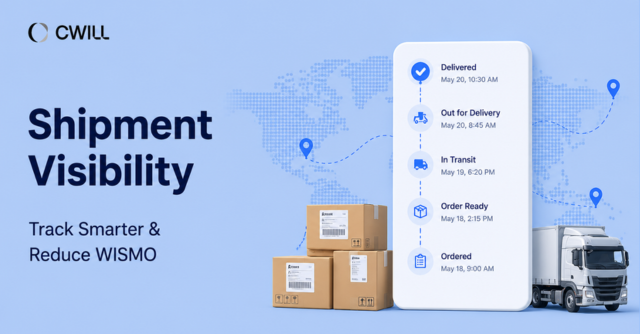
Map your real shipping timeline: order placed, label created, carrier pickup, first scan, out for delivery. Anywhere the customer goes longer than usual without hearing from you is a gap, and gaps are where tickets come from. Justin’s rule is to plan updates around your actual shipping time: “If it’s going to be five days until they get an update, then at day two we’re going to send an update, and at day four we’re going to send an update.”
The update doesn’t have to be about the carrier. A playful “your order is being packed” message works too. In Justin’s words, “It’s a nonsense update, but at least it lets people know that something is happening, that you haven’t completely forgotten about them.”
Set Delivery Estimates You Can Keep
Expectation is the variable you control most directly, and the delivery estimate at checkout is where you set it. Michael sees the same pattern on sales calls: shipments that run past the estimated delivery time shown on the website are the ones that start the “where is my order?” messages. Set estimates by region from your own delivery data, and update them when a carrier slows down.
Keep a Human on the Decisions You Can’t Undo
Some customers will write in no matter how good your updates are. Michael points out that “there will probably always be some small percent of customers who are going to reach out despite you sending good communication,” often because they skipped SMS or gave an email address they never check. An AI chat tool handles simple order-status questions well. For anything else, Justin draws the line here:
“Automate what you can undo and keep a person on what you can’t. A wrong tracking answer costs you a follow-up email. A wrong refund decision costs you money that you never get back.”
In practice, that means a person handles goodwill credits, out-of-window refunds, damaged or wrong-item claims, and any conversation where the shopper is already angry.
Turn Returns Into Exchanges
A customer who asks for a return is still deciding whether to stay. Offering an exchange before a refund keeps the sale and gives them a reason to come back. Hike Footwear recovered 56% of the revenue it was losing to returns after it started using CWILL Returns and Exchanges.
Make Feedback Easy to Give, Then Act on It
Ask for a review after the customer has had time to use the product, which is stage 3 in the table above. A request that lands on delivery day gets a rating of the shipping, not the product. Keep the form short: a star rating, one open-ended question, and as few required fields as possible.
Then use what you hear. Tracking and support can’t make up for a product that doesn’t match its listing. When the same complaint shows up in reviews and return reasons, fix the product or rewrite the description.
Conclusion
Every order you ship passes through hands that aren’t yours before it reaches the customer. You can’t stop a carrier from running late, but you can make sure the customer hears about it from you first. The brands that win the second order are the ones that keep customers informed across those seams and set delivery estimates they can keep.
A good place to start is the longest silent stretch in your shipping timeline. Find it, fill it with an update, and watch what happens to your “where is my order?” tickets.

Easy to build your loyalty program
FAQs
Post-purchase evaluation starts at checkout, before the package ships. Shoppers judge how quickly they hear from you and whether the delivery estimate holds. By the time the box is opened, the evaluation is already under way.
Post-purchase dissonance, often called buyer’s remorse, is the doubt a shopper feels after spending money, when they wonder whether they chose well. It usually shows up as return requests in the first days after delivery. Clear delivery estimates and an easy exchange option both reduce it.
You can measure post-purchase evaluation with data most Shopify stores already collect: “where is my order?” ticket volume, review star ratings, loyalty program activity, return reasons, and actual delivery times. Reading them together shows where the experience breaks down, and surveys can fill in the reasons behind the numbers.
Post-purchase evaluation is the judgment a shopper makes about whether the purchase met their expectations. Post-purchase behavior is what they do because of that judgment: keep or return the product, leave a review, recommend the brand, or buy again. Evaluation comes first, and behavior is the part you can see and measure.

Content Specialist
I’m passionate about creating SEO-friendly content that also resonates with readers. I take data and insights and turn them into actionable, practical ideas. My mission? Helping websites drive organic traffic and grow sustainably.