Final-mile carriers are a strong part of the last-mile delivery process. Without them, it’ll be hard to get orders to your customers reliably, on time, and at a reasonable cost.
In this article, we’ll talk about what final-mile carriers are, why they matter for your ecommerce store, and the common types. At the end, you’ll learn how to choose the right one and how a simple app can help with your last-mile delivery.
What Is a Final-Mile Carrier
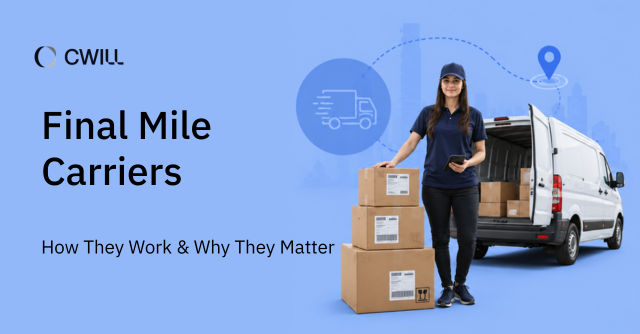
A final-mile carrier (or last-mile carrier) refers to a logistics company that handles the final leg of a package’s journey. It’s usually from a local distribution hub to the drop-off point (customer’s home, business, or a pick-up point).
Final mile carriers are connected to last-mile delivery, but they are not the same thing. Last-mile delivery is the process itself. So, it’s the “final step” of getting the order to the customer. Final-mile carriers are the ones that actually carry out that step.
As an ecommerce merchant, knowing this topic well will help you better understand and manage your last-mile delivery. You’ll have more ideas on which carriers you need to work with, what to look for when something goes wrong, and in the end, improve customer experience with your brand.
Why Your Ecommerce Store Needs a Final Mile Carrier
Final-mile carriers can help ecommerce stores lower their shipping costs, meet modern customers’ expectations, and give customers the best delivery experience. Let’s discuss each benefit:
Reduce Your Shipping Costs
EMarketer’s data showed that the last mile makes up 53% of the total shipping costs. It’s that expensive because it focuses on individual deliveries. Factors like fuel and labor costs can go high… and failed delivery attempts are pretty common.
Final-mile carriers can help you lower the costs here because they already have a system built for high-volume, last-mile delivery. For example, these companies can avoid congestion as much as possible with route optimization tools.
Plus, they have also built up local networks that let them group shipments together. So, even if they’ll be dropped off separately, the routes are planned to save time and fuel.
Meet Delivery Speed Expectations
Most customers now expect their orders to arrive one to two days after checking them out. Yes, that’s right. Same-day and next-day delivery have already been the standard delivery process (especially in city areas).
Final-mile carriers have local and regional hubs positioned closer to your customers. With them, you can shorten the distance a package needs to travel. Carriers also have access to real-time data, so drivers can pick the most efficient route.
This is something that in-house delivery might not pull off that easily, as it’ll require a big investment.
Give Your Customers a Better Delivery Experience
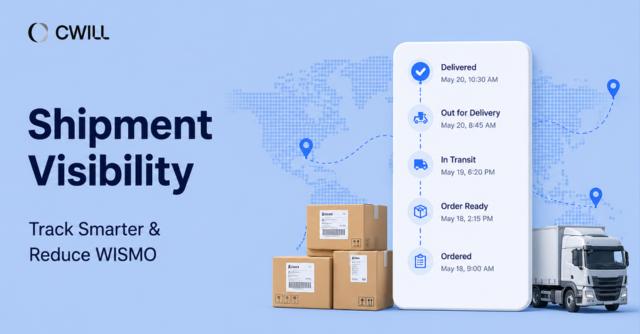
Besides faster delivery, order tracking is also something customers demand. They want access to their package’s whereabouts and have the freedom to check it anytime they desire.
Final-mile carriers offer real-time tracking tools that give customers that visibility. It becomes possible with GPS, carrier scans, and geo-fenced alerts, so customers receive notifications at the right moment.
Having this information at their fingertips lowers WISMO tickets. On top of this, failed delivery attempts can also go down. The proactive alerts will help them prepare to receive the package on time.
Types of Final Mile Carriers
One great thing about final-mile delivery is that there are different types of carriers available. Those are national, local, white-glove, crowdsourced, and on-demand ones.
- National carriers: These are the ones that operate across the entire country with a wide-reaching network. FedEx, UPS, and USPS belong to this type.
- Regional and local couriers: These carriers provide services in more specific areas. Because they are built for short-haul deliveries, they offer faster delivery and lower costs… than national carriers.
- White-glove carriers: They deliver packages with extra care and provide “special services” like assembling and installation. Carriers under this often deliver furniture and appliances.
- Crowdsourced carriers: Independent contractors who use their own vehicles to fulfill deliveries through a gig-economy platform. DoorDash Drive and Roadie are good examples.
- On-demand carriers: They are the ones that provide same-day or even sub-same-day orders.
Great! You now know the types of final-mile carriers. Next, we’ll help you choose the right one for your brand and delivery process.
How to Choose the Right Final Mile Carrier
Match Your Carrier to Your Product Type
What type of product are you selling? You have to consider this before picking a last-mile service provider, as not every carrier handles every product the same way.
If your main products are sofas, gas stoves, fridges, or any large and fragile items, white-glove services are better suited for that. They handle delivery, assembly, and installation, which lowers the risk of damage claims and returns.
Food like milk, nuts, or teas is better off with on-demand or same-day carriers since freshness is a factor. While non-perishable and light products, such as clothing, accessories, or small gadgets, national and regional carriers can work just fine. It’ll only change depending on how fast your customers need the order.
Factor in Your Shipping Zones
National carriers like FedEx and UPS are reliable for wide coverage, but they can get expensive for short-distance deliveries.
If a large portion of your orders land within the same city or region, local and regional carriers often deliver faster and at a lower cost.
YSD Post, for example, focuses on cross-border routes to Europe and the United States, and can be a more cost-effective option for merchants shipping internationally within those specific zones.
Balance Cost Against Service Level
Faster shipping and premium handling increase costs quickly, and not every order needs the same level of service.
Many retailers split shipments by priority. High-value or time-sensitive orders go through premium carriers, while standard orders use more economical delivery solutions.
This keeps your supply chain costs under control without lowering the overall customer experience. The key is knowing which orders actually need the upgrade and which ones don’t.
Test Before You Commit
Before locking in a carrier, run small batches across two or three providers first.
Compare delivery times, failure rates, customer feedback, and total cost across those test runs. This gives you consistent, real-world data on which mile provider actually performs best for your specific operation.
Most merchants end up using a mix of carriers anyway, and testing early helps you build that mix with confidence.
How ParcelWILL Helps With Last-Mile Delivery
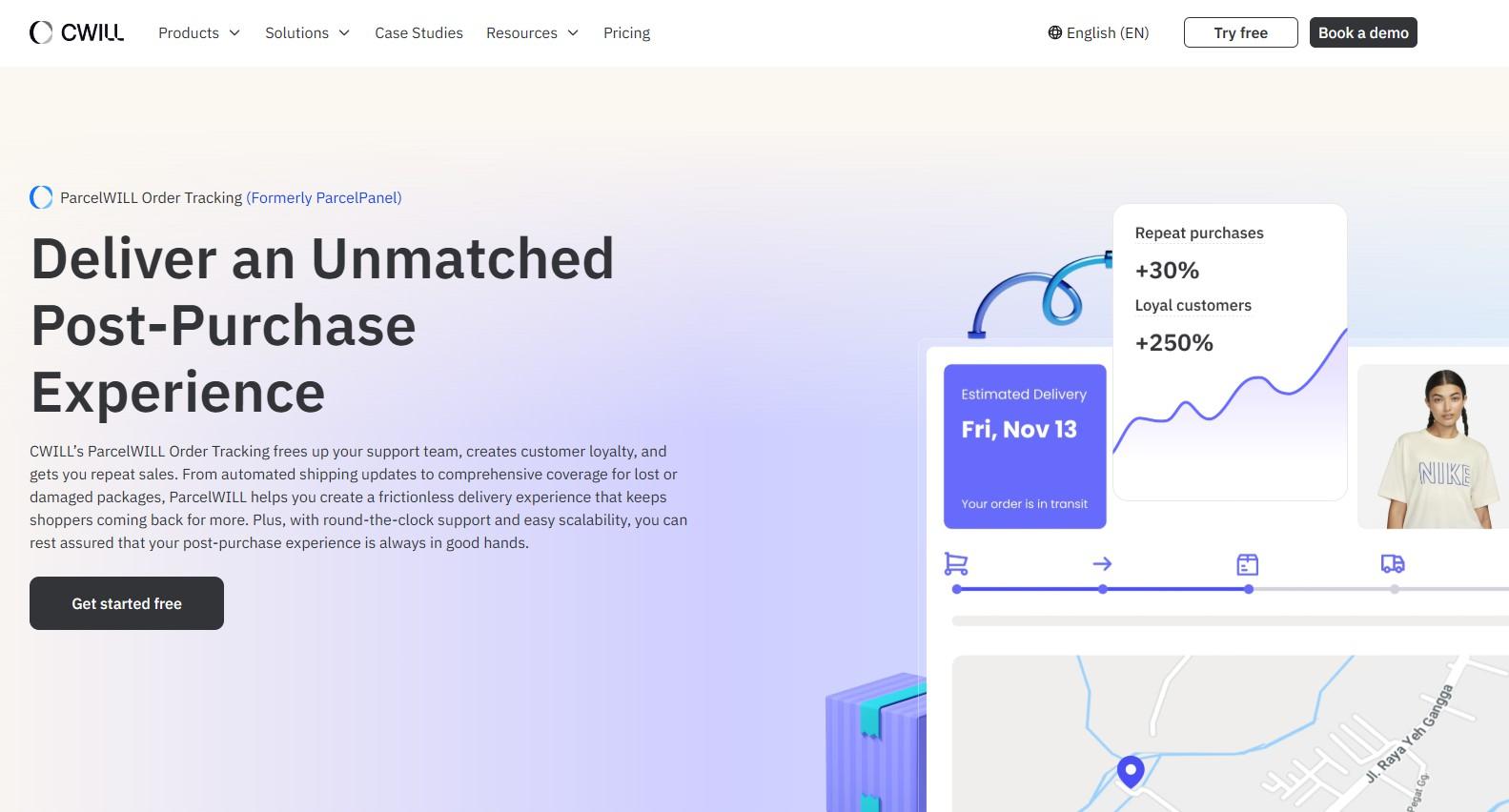
We all know how tracking last-mile delivery is a big challenge for brands and for customers. But there are apps that can help you manage it better, and one of them is ParcelWILL’s Order Tracking.
Besides national carriers, it supports local ones that can provide more accurate tracking for region-specific deliveries. Some of them are YunExpress, Yanwen, 4PX, AliExpress Standard Shipping, CNE Express, and CJ Packet.
ParcelWILL also allows you to access last-mile carrier information and tracking numbers on your dashboard.
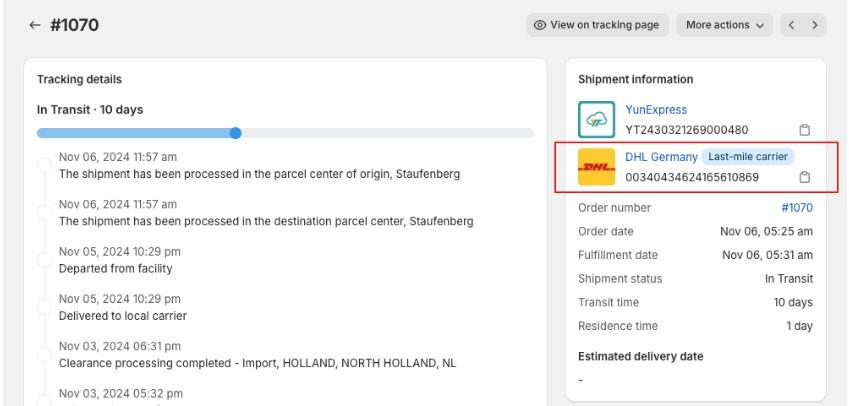
So, if you encounter any delivery issue and want to know which carrier is handling it, everything is right there. You have a clear record of who has the package if anything goes wrong.
But that’s not all. You can also display last-mile delivery info to your branded tracking page, so customers will know what is up on the final stage (and whether their order will arrive as expected).
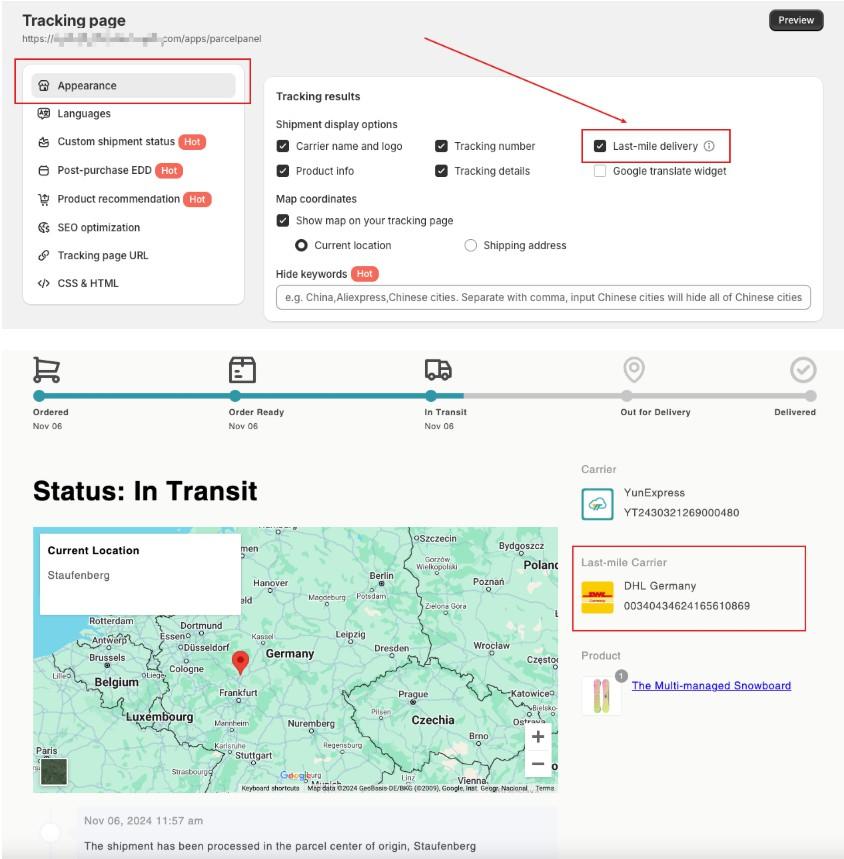
These simple features can reduce failed deliveries and improve overall customer satisfaction of your customers.
FAQs About Final-Mile Carriers
How long does last-mile delivery take?
Last-mile delivery usually takes a few hours to one day once a package leaves the local distribution center. But some factors can extend the delivery window, like traffic, address accuracy, and recipient availability.
What’s the difference between last-mile delivery and final-mile carriers?
Last-mile delivery is the process and the part of post-purchase logistics that gets an order to your customer, while final-mile carriers carry that process out. So, if it’s the steps involved in completing a delivery, that’s last-mile delivery. But if you’re referring to USPS or regional couriers, those are your final-mile carriers.
What are common challenges with final-mile carriers?
High costs, failed delivery attempts, and poor routing are some common challenges with final-mile carriers. Carriers also deal with traffic congestion, inaccurate address data, and rising fuel prices. And through all of that, they still need to meet customer expectations for speed and real-time tracking.