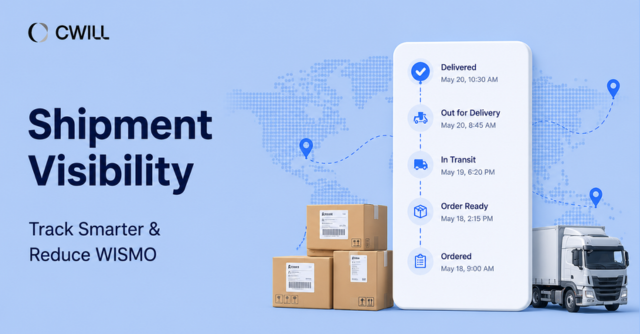
Are you struggling to track shipments as your business grows? Rising WISMO inquiries, delayed shipments, and limited shipment visibility can make it harder to meet customer expectations and deliver a great customer experience across your supply chain.
Shipment visibility gives ecommerce brands real-time shipment visibility from dispatch to delivery. In this guide, you’ll learn what shipment visibility is, why it matters, and how to improve your shipping process with the right shipment visibility solutions.
What is Shipment Visibility?
Shipment visibility refers to the ability to track shipments with real-time shipment visibility across the entire supply chain. It provides real-time tracking data, shipment status, and updated ETAs, helping businesses meet customer expectations.
Shipment visibility platforms act as a single source of truth (SSOT) by bringing together tracking data from carriers, warehouses, and logistics providers. They deliver end-to-end visibility, exception alerts, and real-time insights throughout the shipping process.
With shipment visibility, ecommerce brands improve customer communication, operational efficiency, and customer satisfaction. Better visibility also helps minimize delays, support better decision making, and optimize supply chain operations.
Shipment Visibility vs. Shipment Tracking: What’s the Difference?
Many ecommerce brands confuse shipment tracking with shipment visibility. Shipment tracking only shows shipment status, while shipment visibility provides real-time visibility, exception alerts, and end-to-end visibility across the entire supply chain.
Shipment tracking works well for businesses shipping 50–100 orders a week within one country. It lets you track shipments, but offers limited tracking data and real-time insights.
For high-volume or global ecommerce brands, shipment visibility is the better choice. It improves customer communication, operational efficiency, and better decision making while helping minimize delays.
You can check this table if you want to see how they compare:
| Aspect | Shipment Tracking | Shipment Visibility |
|---|---|---|
| Definition | Shows current status and location using a tracking number | Real-time view of a shipment’s full journey with carriers, systems, and stakeholders |
| Scope | Individual updates like “in transit” or “delivered” | The entire logistics journey with performance data, exceptions, and predictive insights |
| Data Source | Pulled from one carrier’s system | Combines data from multiple carriers, warehouses, and order platforms |
| Business Impact | Cuts down WISMO tickets | Improves customer communication, reduces WISMO and follow-up questions, and helps brands make better business decisions |
Just to make things clear: Shipment visibility is not a substitute for tracking. It’s more of an “upgrade” that allows you to monitor your packages proactively.
Why Shipment Visibility Matters for Ecommerce Merchants
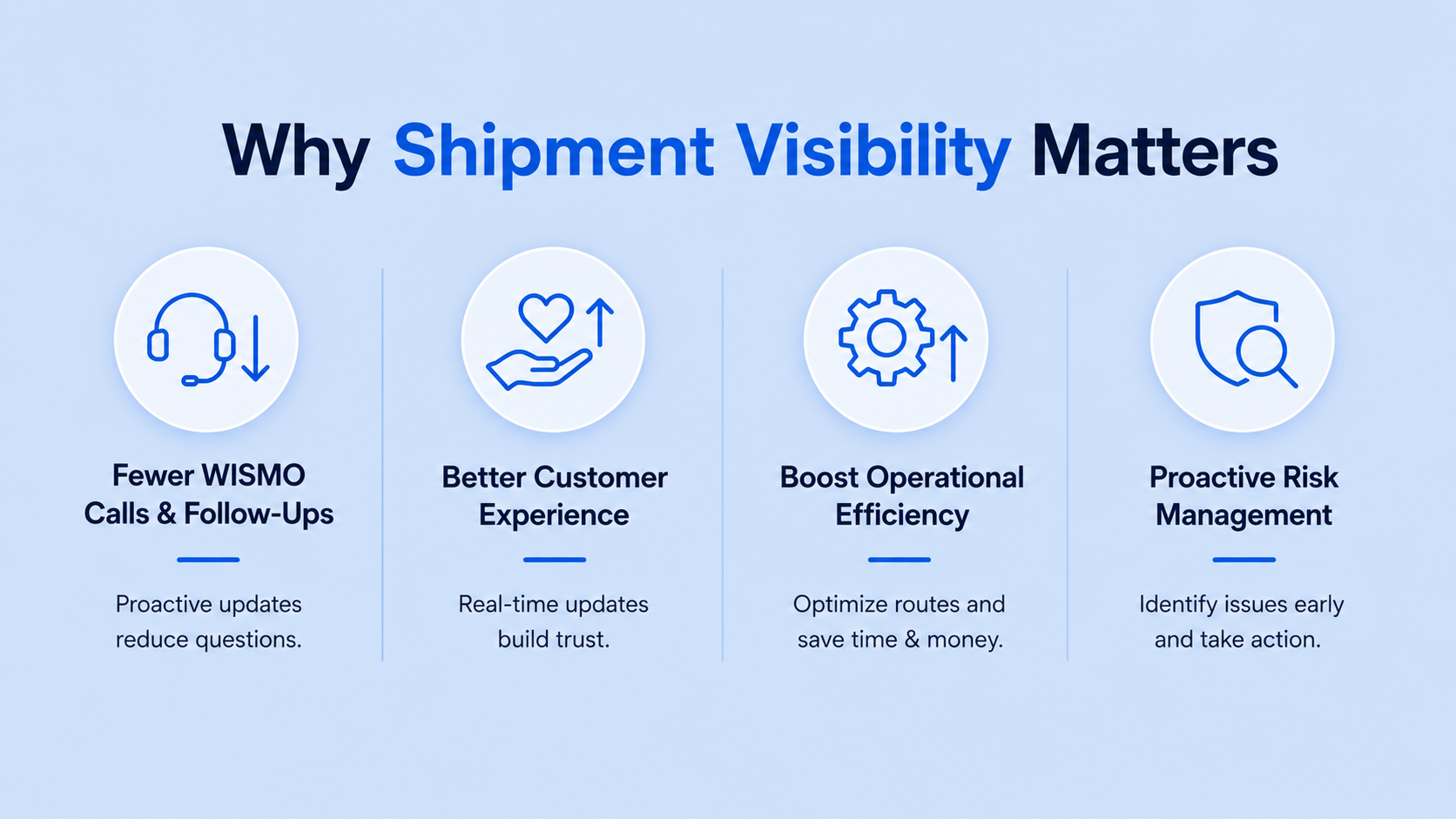
Shipment visibility can help your business through fewer support tickets, better customer retention, improved logistics efficiency, and early risk detection. Here’s how each of these works.
Reduced WISMO Calls and Follow-Ups
Shipment visibility helps reduce WISMO inquiries through real-time shipment visibility, early detection, and proactive customer communication. Better tracking data allows businesses to identify delayed shipments before customers reach out.
For example, if a shipment is held at a distribution center or delayed by customs, real-time tracking and end-to-end visibility let you contact logistics providers and respond before the issue escalates.
With timely status updates, businesses meet customer expectations, improve customer satisfaction, and free customer support teams to focus on higher-value tasks while improving operational efficiency.
Improved Customer Experience and Retention
Radial mentioned that 90% of ecommerce customers consider shipping as at least half of their total online experience. So, whatever happens here can affect first-time buyers’ decision to buy from your store again… or not.
With shipment visibility, you can provide a more solid customer experience by offering real-time updates in one place and through a branded tracking page.
This is especially useful for international orders where you have multiple delivery partners. You save your customer the time (and stress) of checking which carrier website holds their package at the moment.
Plus, since you can use a branded tracking page, you can add marketing materials like product recommendations or discount codes. Your customers can do “more shopping” while waiting.
Boost Operational Efficiency
Besides the customer and support team benefits, better shipment visibility also helps you run your logistics operations better. It shows carrier performance, optimized routes, and inventory management insights that “eyeballing” tracking numbers won’t provide.
- Carrier performance: Let’s say you’ve been using Carrier A for your European deliveries. If you see too many delays in the last three months from the report, you can show them the data to create a better deal… or find a better carrier.
- Route optimization: Your delivery partners can see the current road and weather situations live, so they can decide right there and then whether to reroute or adjust delivery schedules to avoid traffic jams. Static tracking updates could never offer this advantage.
- Inventory management: Historical data on transit times and delivery patterns gives you more accurate predictions on when stock will actually arrive. You can cut down on safety stocks (because you know exactly when your next shipment is coming in).
In short, it improves your supply chain processes and saves you tons of money and time.
Proactive Risk Management
Shipment visibility also strengthens risk management by giving businesses real-time visibility into delayed shipments, exceptions, and other supply chain disruptions. With end-to-end visibility, teams can identify potential risks before they affect the shipping process.
For example, if part of a shipment is delayed at a distribution center, real-time tracking and tracking data help you identify the issue early, contact logistics providers, and take proactive measures before delivery is affected.
Acting early helps minimize delays, improve customer communication, meet customer expectations, and enhance customer satisfaction while supporting better decision making and overall operational efficiency.
Ways to Integrate Shipment Visibility
Okay. Now it’s time to connect shipment visibility tools to your store. You can do it in three ways: through ready-to-use apps, webhooks, or APIs.
- Ready-to-Use Apps: These “plug-and-play” apps are available on Shopify’s app store (and something equivalent on other e-commerce platforms). You simply need to install it, and it connects to the features available for that plan without coding or technical skills. This is for you if you’re a fan of “instant” setup.
- Webhooks: Webhooks “push” updates to your order management system or ERP on every carrier scan. This is a great option for teams who want to focus on internal operations as the systems get shipment status changes automatically.
- APIs: Among the three, this gives you the most control and freedom. You can “request” specific tracking data like delivery confirmations, scan history, or current package location whenever you need it. It’s best for customization and building tracking features that integrate seamlessly into your store or backend.
There’s no right or wrong option here. But you have to consider factors like your technical resources, team size, and how much customization your business needs.
How to Improve Shipment Visibility with ParcelWILL
ParcelWILL is a post-purchase app that offers you real-time visibility and other features to manage your shipping operations better.
It offers end-to-end tracking that allows you to see transit times, shipping statuses, and delivery updates that show where problems are happening in your supply chain. Up to last-mile delivery, you’ll get real-time updates even when your package reaches regional carriers.
Your team can stay on top of all active shipments through one centralized dashboard and catch delays before customers do.
Besides that, ParcelWILL also allows you to create a branded tracking page, set up notifications, and enable estimated delivery dates for your customers to see.
Adding a Branded Tracking Page and Automated Notifications
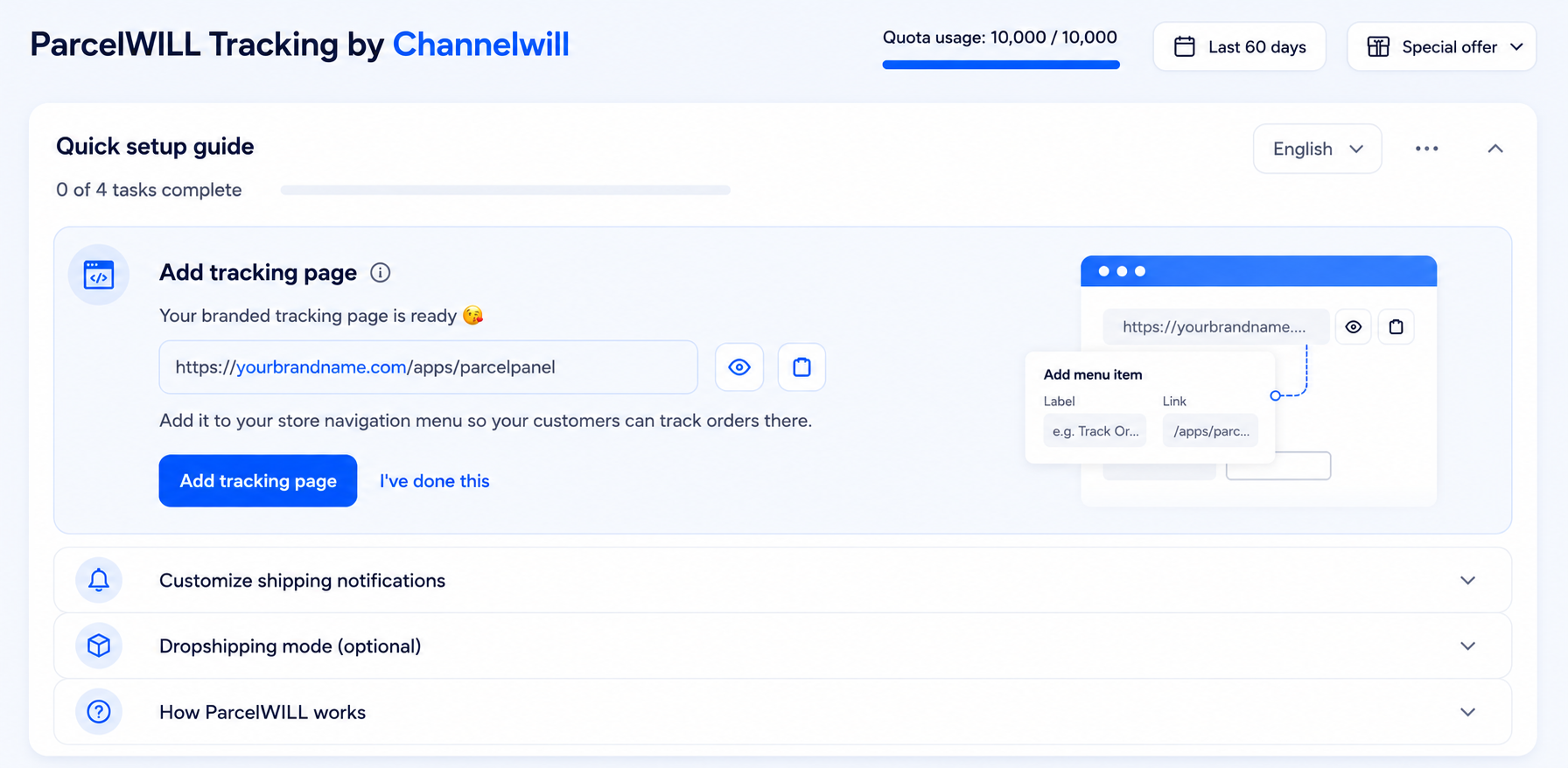
Your customers can check their order status on your branded tracking page and receive notifications at the most important moments (like when their package ships or gets delivered).
Here’s how you can set this up:
- Go to ParcelPanel admin → Quick setup guide → click “Add tracking page”
- Choose a menu to add your tracking page to (main menu works best)
- Fill in the label and drag the tracking page to your desired position → save
With our app, you can customize the appearance, display options (like carrier names and tracking numbers), and add product recommendations to get more sales while customers wait.
Dynamic Estimated Delivery Date (EDD)
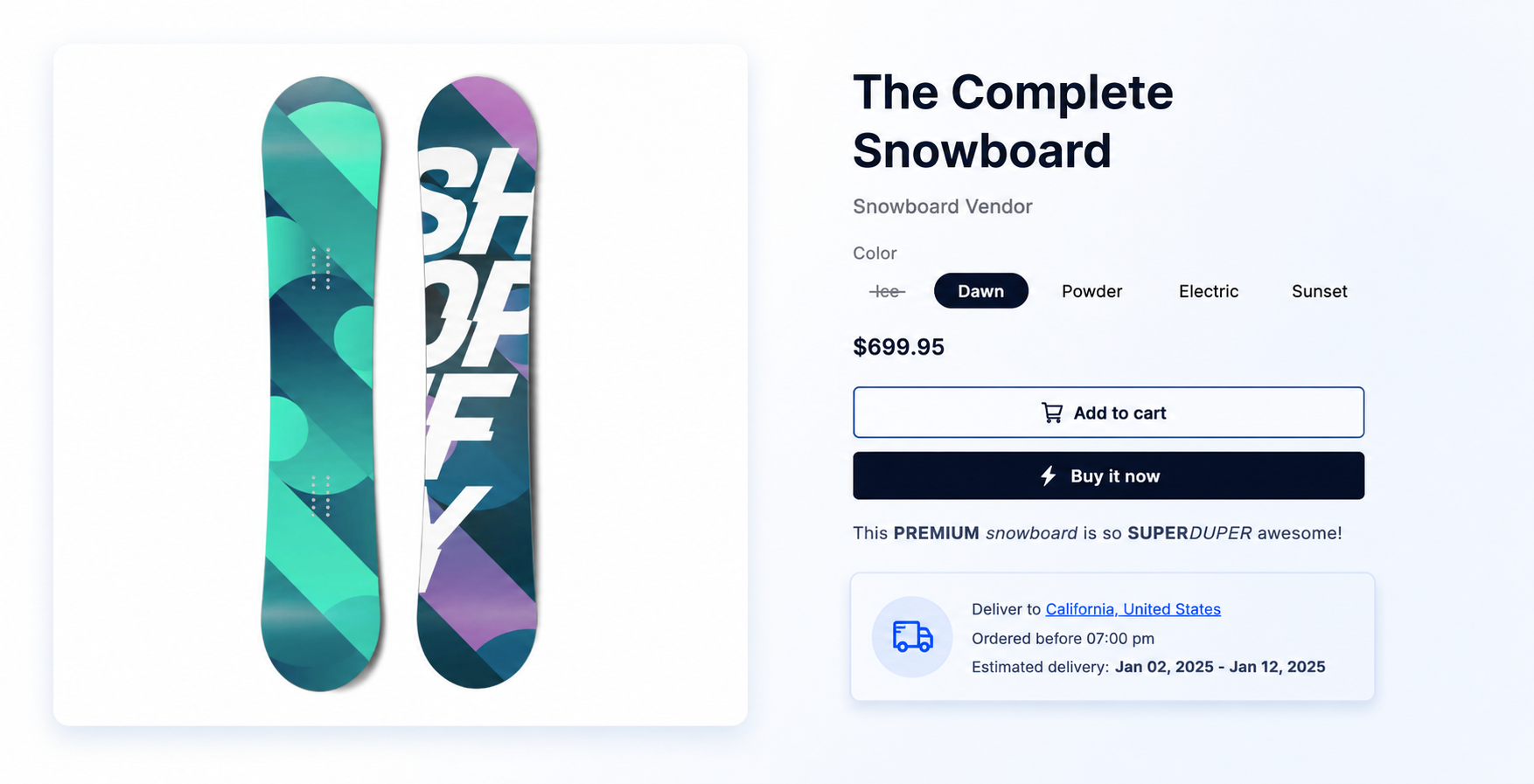
Showing delivery estimates on your product pages helps customers make faster buying decisions. Our app helps you calculate accurate delivery windows based on your customer’s location and carrier performance.
Activating this is also easy:
- Go to ParcelPanel admin → Settings → Pre-purchase EDD
- Add the widget in your theme editor
- Customize the appearance and text
- Turn on the toggle to publish
The shipping address automatically uses the customer’s default address if they’re logged in, or their IP-based location if they’re not. Customers can also manually update it.
Our app is available as a Shopify app with ready-to-use features. But if you need custom workflows, we also offer API and webhook integrations. Plus, you get analytics on tracking page engagement and shipping performance.
Best Practices for Implementing Shipment Visibility
Here are some of the best tips you can follow to create a solid shipment visibility process:
Prioritize Real-Time Data Over Static Updates
Real-time data is better than static updates because it shows you what’s happening right now. It allows you to attend to any delays (even before customers notice them).
If you want to get updates faster, look for a shipment visibility platform that connects you directly to carrier APIs instead of tools that scrape tracking pages or use scheduled batch uploads. This way, you can pull up-to-date information within minutes, unlike batch systems that may take a few hours.
You should also check how often the platform syncs with carrier data. Some tools refresh automatically every 15-30 minutes, while others only update when you manually click “refresh” or when a customer opens the tracking page.
Integrate Visibility with Inventory Management
Your shipment visibility shouldn’t be limited to the “delivery” process. It needs to cover your inbound inventory, too, if you want to reduce the risk of running out of stock.
This becomes really important during peak seasons like BFCM and the Christmas season. Your historical data on transit times and lead time variability helps you plan restocks based on what actually happens instead of what carriers promise (which can be wildly optimistic sometimes).
So what can you do? Connect your shipment visibility platform with your inventory management system so they share data automatically. That way, you can adjust product availability, pause promotions, or order from a backup supplier before you run into a stockout.
Use Visibility Analytics to Audit Carrier Performance
Having a dashboard where you can get a full view of your entire shipping operation lets you compare carriers based on “actual performance” much more easily.
From here, you can find which partners deliver on time… and which ones have a higher delay rate.
You might find that Carrier C hits your delivery windows 92% of the time while Carrier D only hits 78% for the same routes (even though Carrier D quoted you a lower rate). It helps you be smart at making decisions on which one to use for specific regions or product types.
Automate Proactive “Risk” Notifications
Set up automated workflows that trigger a notification the moment a delayed package is detected. This helps you catch problems before customers start emailing to ask what’s going on.
Most shipment visibility solutions let you create rules based on specific conditions, like “no scan activity for 48 hours” or “package marked as exception by carrier.” The system automatically sends an email or SMS to the customer explaining what’s happening and when they can expect their order (before they even think to ask).
You have to be transparent even about delays if you want to keep up high customer satisfaction and lower support escalations.
Build a Branded Post-Purchase Ecosystem
A branded post-purchase ecosystem covers your branded tracking page, automated shipping notifications, and personalized updates that all reflect your brand’s voice and design.
With shipment visibility, you can make this ecosystem smarter. You can display real-time estimated delivery dates that adjust based on actual carrier performance, send proactive delay notifications, and show recommended products based on what they just bought.
Customers come back to your site to check their order status and see what else you offer.
Conclusion
Now you know what shipment visibility is and how it can help your business.
You can think of it as a “level up” from basic tracking that gives you proactive alerts, performance analytics, and real-time insights. And it offers more than just location updates. It helps you reduce support costs, keep customers happy, and make better decisions about your shipping strategy.
If you want to get started, ParcelWILL offers end-to-end tracking, branded pages, automated notifications, and delivery estimates in one app.