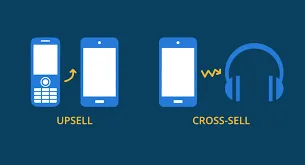
The difference in upselling vs. cross-selling comes down to what you offer. Upselling encourages a customer to buy a better or more expensive version of what they’re buying. Cross-selling encourages them to buy related products alongside it. Both raise order value, and both work on new and repeat customers.
Marketing your products online takes time, effort, and money to get the attention of your target customers. But do they always have to be new customers? What about the ones who have already ordered from your store several times? Repeat customers are a big win for your business. They show that people believe in your products and rely on you.
Both new and repeat buyers deserve attention. Bringing new visitors to your website and generating more leads is always a good start. Sometimes, though, the better move is to rework your campaigns to bring past customers back. Upselling and cross-selling let you reach both groups.
What is Upselling?
Upselling is asking a customer to buy something better than what they’ve already chosen. That could be an add-on service or a higher-end model of the product they’re buying. For example, if a customer is buying a phone and you offer them the newer model or the version with more storage, that’s upselling.
Upselling is a good way to promote higher-end products and services. You show customers products that better meet their needs, which raises your average order value (AOV). It also helps customers see the real value of what they get for the higher price.
What is Cross-Selling?
Cross-selling is persuading a customer to buy complementary or add-on products and services on top of what they originally planned to buy. Almost every type of business does it, from banks to shopping malls to insurance companies. Open a bank account, for example, and you’ll likely be encouraged to apply for a credit card a few months later.
In ecommerce, cross-selling usually shows up on product pages, at checkout, and in lifecycle email campaigns. It shows customers other products and services they didn’t know you offered, which encourages repeat purchases. It also builds their confidence in you as a retailer.
Six Tips for Upselling and Cross-Selling
Upselling and cross-selling work differently, but both are worth doing. They increase customer lifetime value and encourage repeat purchases and brand loyalty. Here are six tips to help you use both in your business.
1. Plan Your Messages Well
Promotional messages to past customers can be very persuasive. Before you send them, ask yourself a few key questions: Why did these customers choose your product over others? What did they buy from you? Look at your customer data to understand what motivated their past purchases.
Timing matters as much as the message. “Right after the purchase is the best opportunity to gain feedback and referrals, but maybe the worst time to gain an upsell or a cross-sell, because they’ve just made that purchase,” says Justin Risso, Head of Revenue at CWILL. He points to a window of roughly 15–45 days after purchase, once the customer has used the product and reviews start coming in. “You can start saying, okay, we’ve got a five-star review, a four-star review. Let’s send these people a campaign that says, ‘We saw you loved the first thing you purchased.’”
One of the most popular offers you can give a shopper is a loyalty discount. Even if the product you’re offering is higher-end or more expensive, a loyalty discount makes customers more likely to consider it.
2. Build a List of Past Buyers to Target
Make a segmented list of past buyers and the products they bought from your store. It gives you a clearer view of how to target them the next time they visit your website. Organize your customer data and match each segment to the right offer. With that list, you can send each past customer the offers most relevant to what they bought, which is easier and more effective.
3. Use Remarketing
Once you know what your customers bought, prepare ads for them. Remarketing campaigns are very helpful for upselling and cross-selling. Run them on the social networks your customers use and on Google, so you can send personalized messages with the right information.
4. Remind Past Buyers Why They Chose You
With your segmented list, it’s easier to remind customers what made them choose your products over other stores or brands. Remind them what makes your company, products, or services stand out from the competition. Make sure your branding campaigns speak to both top-of-funnel shoppers and past buyers who can become lifetime customers.
5. Offer Customers What They Want
Get personal and target what your customers want most. Focus on their preferences and needs when you choose which products to offer them. Their past purchases will guide you toward upsells that work. This is also when loyalty discounts and points become most appealing, because customers can use them to treat themselves.
6. Remind Customers About the Items in Their Cart
Sometimes customers haven’t lost interest in the items in their cart. They’ve just forgotten. A call from a friend or a last-minute meeting can pull them away before they finish checking out. Use cart reminder notifications to bring them back, and include an upsell or cross-sell offer while you have their attention.
Benefits of Upselling and Cross-Selling
- A more personalized customer experience: Shoppers today expect personalized recommendations. They want products close to what they want and need. Pair upselling and cross-selling with live chat software so customer questions get answered quickly and nobody waits long.
- More revenue: Upselling helps customers get more out of the product they bought, whether through an upgrade, an add-on, or a free trial of a premium tier, and that leads to more sales over time. The right upsell and cross-sell messaging sparks customers’ curiosity and brings them back to your website.
- Higher order value: Upselling shows customers the value of upgrading to a higher-end product, and cross-selling introduces related products they’ll recognize. Both increase order value, and over time they increase customer lifetime value too.
- A complete solution and better retention: Upselling and cross-selling became popular because they solve the customer’s whole problem and build trust between customer and company. Shoppers like getting everything they need from one store. When customers buy from you and see that you understand what they need, trust and loyalty follow.
- More convenience for customers: Customers find it easier to choose a store when they can clearly see the benefits of its products and services. Showing them everything your store offers makes shopping easier.
Upselling vs. Cross-Selling: Which Should You Use?
Use both. The real question isn’t which one to choose, but how to use each to benefit your business. If you have to lean one way, lean toward cross-selling. “Upselling in its truest form can really only impact average order value,” Risso says. “Cross-sell is still going to impact average order value. It’s just also going to impact other things that help your business run more efficiently.” Done well, cross-selling shortens the time between purchases, raises the number of items per order, and moves inventory that would otherwise sit in a warehouse.
The goal of upselling and cross-selling is to give customers real value in the products and services they buy from you. That’s the core of any business: solving a problem and building trust. In ecommerce, customers and store owners never meet in person, which makes trust and loyalty harder to earn. Upselling and cross-selling done well, with offers that match what each customer needs, is one of the best ways to earn both.
Give customers a reason to make that second purchase with CWILL Loyalty & Referrals.